
Hygeia AnalyticsLogo

Menu

Skip to content
  • Home
  • About Hygeia
    Analytics
    • Dynamic Presentations
    • Keywords and Site Map
    • Hygeia Analytics – Who We Are
    • Why Hygeia?
    • Funding and “Sound Science”
    • Acronyms and Glossary
    • Sign-Up for Updates
  • Nutrition
    • Introduction and Nutrition 101
      • Good Fat Bad Fat
      • Fatty Acids
        • Primer on the Fatty Acids in Milk
      • Impact of Livestock Feeding
    • Antioxidants
      • Organic Farming Elevates Antioxidants
      • Maximizing Antioxidant Intake
    • Organic vs. Conventional Foods
      • Milk and Dairy Products
        • 2018 Grassmilk Paper
        • PLOS ONE Study
        • Dairy Meta-Analysis
      • Multi Food Meta-Analyses
        • Meat Products
        • Plant-Based Foods
        • Smith-Spangler et al.
        • Dangour et al.
        • The Organic Center Report
      • Food Specific Comparisons
        • General
        • Fruits and Vegetables
        • Wine and Wine Grapes
    • Considering Nutritional Quality
      • Impact of Genetics and Production Systems
      • New Tool for Food Security
      • Transforming Jane Doe’s Diet
      • Nutritional Quality Index
    • Nutrient Decline
    • Other Choices and Challenges
      • Human Health
      • Dietary Choices
  • Pesticides
    • Usage
      • Pesticide Use Data Sources
        • Pesticide Use Indicators
      • PUDS – The Pesticide Use Data System
    • Dietary Risks
      • The Dietary Risk Index (DRI)
    • Risk Assessment and Regulation
      • Food Quality Protection Act (FQPA)
      • Glyphosate/Roundup Case Study
      • The Lowdown on Roundup
      • Does Glyphosate/Roundup Cause Cancer?
      • 2019 Glyphosate Genotoxicity Paper
    • Impacts of GE on Pesticide Use
    • Environmental, Human Health, and Other Impacts of Pesticides
  • Ag Biotech
    • Key Historical Documents – Donald Duvick
    • Key Historical Documents – Arpad Pusztai
    • Herbicide Resistant Crops
    • Weed Resistance
    • Bt Transgenic Crops
    • Resistant Insects
    • Health Risks and Safety Assessments
    • Regulation of GE Crop Technology
    • Marketing, Economics, and Public Relations
    • Patenting and Intellectual Property Issues
    • Labeling
  • Other Issues
    • Animal Products
    • The Future of Food
    • Global Food Security
    • Natural Resources and Climate Change
    • Alternatives to Industrial Ag
    • Policy and Politics
    • Scientific Integrity
    • Soil Health
    • Yields
  • Recent Posts
    • Hot Science
    • In The News
    • Hygeia’s Blog
  • Special
    Coverage
    • Organic Apples in Washington State
    • Dicamba Drift Crisis
    • Organic Food Consumption Lowers Cancer Risk
    • Organic Integrity

EPA Extends Dicamba Registration, With Modest Added Restrictions

Posted on November 1, 2018 in In The News, Pesticides | 163 Views

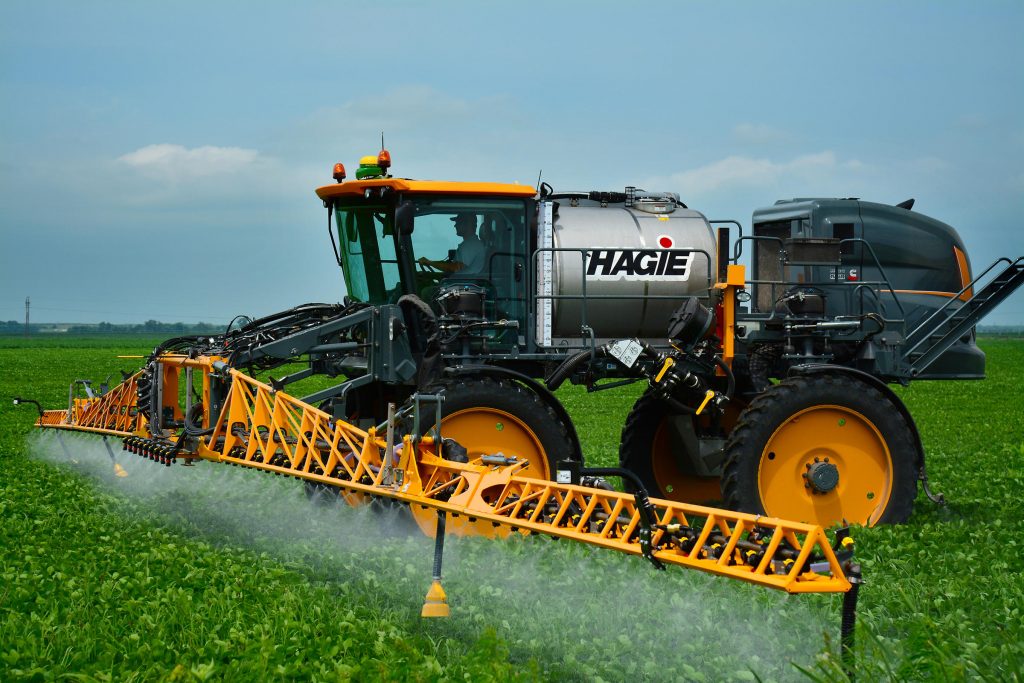
Over-the-top dicamba use on Roundup Ready Xtend soybeans and cotton will be allowed by EPA for up to two more years, with some additional use restrictions.

This means farmers will be able to continue using the controversial new dicamba formulations XtendiMax, FeXapan, and Engenia that have damaged millions of acres of cropland, gardens, and other vegetation since 2016.  The mushrooming dicamba drift crisis began in 2016 will illegal post-emergent applications of older dicamba products, and has gotten worse each year, despite EPA’s conditional approval in late 2016 of new, “low-volatility” formulations.

EPA initially gave the new dicamba herbicides a two-year, conditional registration through November 2018, and many stakeholders have been waiting the agency’s decision on whether, and under what conditions, the EPA will allow post-emergent dicamba applications to continue.

DTN Progressive Farmer reports that EPA announced the following additional label requirements:

  • Only certified applicators may apply dicamba over the top (those working under the supervision of a certified applicator may no longer make applications)
  • Prohibit over-the-top application of dicamba on soybeans 45 days after planting and cotton 60 days after planting
  • For cotton, limit the number of over-the-top applications from 4 to 2 (soybeans remain at 2 OTT applications)
  • Applications will be allowed only from 1 hour after sunrise to 2 hours before sunset
  • In counties where endangered species may exist, the downwind buffer will remain at 110 feet and there will be a new 57-foot buffer around the other sides of the field (the 110-foot downwind buffer applies to all applications, not just in counties where endangered species may exist)
  • Clarify training period for 2019 and beyond, ensuring consistency across all three products
  • Enhanced tank clean-out instructions for the entire system
  • Enhanced label to improve applicator awareness on the impact of low pH’s on the potential volatility of dicamba
  • Label clean up and consistency to improve compliance and enforceability

EPA’s approval comes despite opposition to continued dicamba use from many farmers and leaders in the ag industry.  EPA Acting Administrator Andrew Wheeler is quoted in the Progressive Farmer article making it clear that the agency feels “dicamba is a valuable pest control tool for America’s farmers.”  Via this new registration, EPA is “providing certainty to all stakeholders for the upcoming growing season.”

Sources:
Environmental Protection Agency, “Registration of Dicamba for Use on Dicamba-Tolerant Crops,” Accessed 11/1/2018.

Pat Smith, “EPA Rules on Dicamba,” DTN Progressive Farmer, October 31, 2018.

Posted in In The News, Pesticides | Tagged Dicamba, Pesticide Impacts, Policy and Politics, Roundup Ready

Related Posts

Will This 9th Circuit Order Finally Get Chlorpyrifos Out of the Food Supply?→

FAQs re Biden-Harris Ag and EPA Transition Priorities→

Implications of EPA’s Decision to Renew Dicamba Registration for Over-the-Top Use→

Neonic Seed Treatments in the (Science) News→

Dr. Benbrook Testifies Before the Philadelphia City Council as they Consider Glyphosate Ban→

Guest Blog: The Big Meat Gang Is Getting Awfully Smelly→

Why Promoting Organic Integrity Must Become a Top Priority for USDA→

Guest Blog: Finding the Root Cause of Organic Fraud→

©2016 Hygeia-Analytics.com. All Rights Reserved.

Menu