
Hygeia AnalyticsLogo

Menu

Skip to content
  • Home
  • About Hygeia
    Analytics
    • Dynamic Presentations
    • Keywords and Site Map
    • Hygeia Analytics – Who We Are
    • Why Hygeia?
    • Funding and “Sound Science”
    • Acronyms and Glossary
    • Sign-Up for Updates
  • Nutrition
    • Introduction and Nutrition 101
      • Good Fat Bad Fat
      • Fatty Acids
        • Primer on the Fatty Acids in Milk
      • Impact of Livestock Feeding
    • Antioxidants
      • Organic Farming Elevates Antioxidants
      • Maximizing Antioxidant Intake
    • Organic vs. Conventional Foods
      • Milk and Dairy Products
        • 2018 Grassmilk Paper
        • PLOS ONE Study
        • Dairy Meta-Analysis
      • Multi Food Meta-Analyses
        • Meat Products
        • Plant-Based Foods
        • Smith-Spangler et al.
        • Dangour et al.
        • The Organic Center Report
      • Food Specific Comparisons
        • General
        • Fruits and Vegetables
        • Wine and Wine Grapes
    • Considering Nutritional Quality
      • Impact of Genetics and Production Systems
      • New Tool for Food Security
      • Transforming Jane Doe’s Diet
      • Nutritional Quality Index
    • Nutrient Decline
    • Other Choices and Challenges
      • Human Health
      • Dietary Choices
  • Pesticides
    • Usage
      • Pesticide Use Data Sources
        • Pesticide Use Indicators
      • PUDS – The Pesticide Use Data System
    • Dietary Risks
      • The Dietary Risk Index (DRI)
    • Risk Assessment and Regulation
      • Food Quality Protection Act (FQPA)
      • Glyphosate/Roundup Case Study
      • The Lowdown on Roundup
      • Does Glyphosate/Roundup Cause Cancer?
      • 2019 Glyphosate Genotoxicity Paper
    • Impacts of GE on Pesticide Use
    • Environmental, Human Health, and Other Impacts of Pesticides
  • Ag Biotech
    • Key Historical Documents – Donald Duvick
    • Key Historical Documents – Arpad Pusztai
    • Herbicide Resistant Crops
    • Weed Resistance
    • Bt Transgenic Crops
    • Resistant Insects
    • Health Risks and Safety Assessments
    • Regulation of GE Crop Technology
    • Marketing, Economics, and Public Relations
    • Patenting and Intellectual Property Issues
    • Labeling
  • Other Issues
    • Animal Products
    • The Future of Food
    • Global Food Security
    • Natural Resources and Climate Change
    • Alternatives to Industrial Ag
    • Policy and Politics
    • Scientific Integrity
    • Soil Health
    • Yields
  • Recent Posts
    • Hot Science
    • In The News
    • Hygeia’s Blog
  • Special
    Coverage
    • Organic Apples in Washington State
    • Dicamba Drift Crisis
    • Organic Food Consumption Lowers Cancer Risk
    • Organic Integrity

Molly Jahn on the Importance of Soil Health and New Approaches in Understanding its Roots

Posted on December 16, 2016 in Environmental Impacts, Food Security, In The News | 244 Views

This great, long essay on soil health has unusually blunt discussion of the implications of declining soil health. Molly Jahn, a professor of Agronomy at my alma mater UW-Madison, seamlessly merges insights from a helicopter ride outside Des Moines during planting season, to the early crusade to expose and end slavery among sugar plantation workers over a century ago. She wonders if mankind can end slavery, might reversing the decline in soil health someday come within reach? Surely that would be a good thing, and today is a good day to ponder steps needed to hasten the journey.

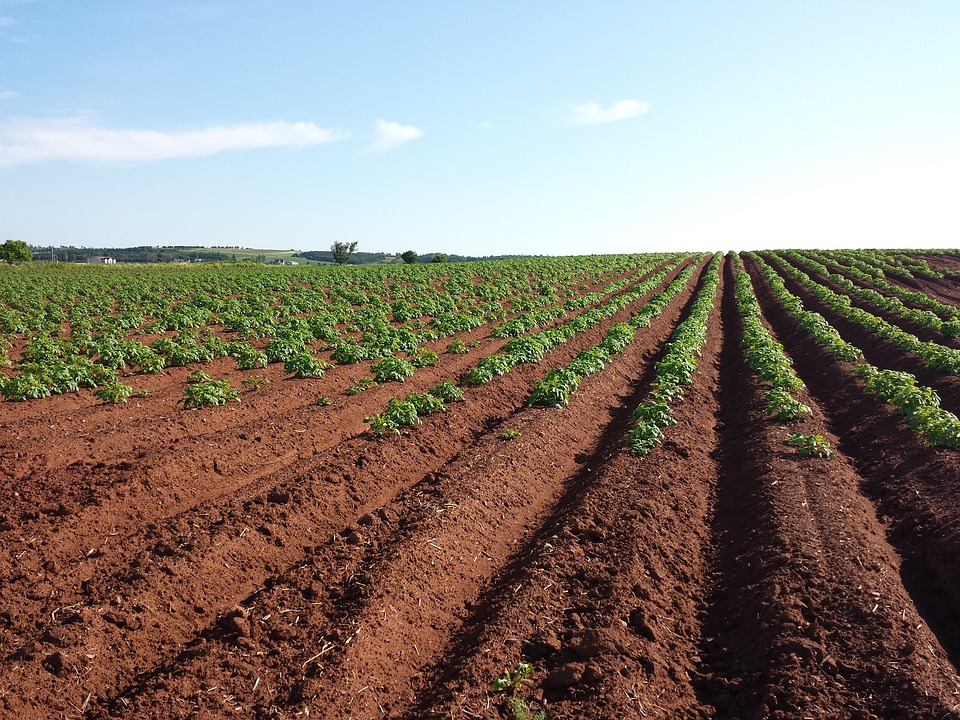
In her article, Jahn points out that mankind has inherently changed the very earth itself, with the organic matter content of soil in America 30 percent lower on average than when the first farmers began cultivating crops.  When you factor in erosion and soil damage from agricultural practices, the damage is severe.  Given that modern agriculture is laser-focused on maximizing yields, Jahn argues we must turn our attention to halting and mitigating soil damage.

Scientists at the UN estimate that more than half the world’s arable land is “moderately to severely” degraded, and these impaired soils are less drought-tolerant and impact productivity.  Jahn points out that while some farmers in the US are using cover crops, no-till farming, and other practices that reduce soil damage, there is much that still needs to be done to reverse the damage to the earth’s skin, and the foundation of our agricultural system.

Source:

Molly Jahn, “Thanksgiving 2050: To feed the world we have to stop destroying our soil,” November 23, 2016, Christian Science Monitor

Posted in Environmental Impacts, Food Security, In The News | Tagged Soil Quality

Related Posts

FAQs re Biden-Harris Ag and EPA Transition Priorities→

This Monster Dose of Innovation is Reason for Hope→

Organic Farming May Reduce Food Safety Risk From E. coli, New Study Shows→

The Real Organic Project Features our Friends at Full Belly Farm in New Video→

Alfalfa — The Crop That Don’t Get No Respect→

Grasses Are Like Straws Sipping Carbon from the Air→

Where Are Those Two Blades of Grass Where One Used to Grow?→

Bad News for Backers of Ethanol from UW Madison Team→

©2016 Hygeia-Analytics.com. All Rights Reserved.

Menu