
Hygeia AnalyticsLogo

Menu

Skip to content
  • Home
  • About Hygeia
    Analytics
    • Dynamic Presentations
    • Keywords and Site Map
    • Hygeia Analytics – Who We Are
    • Why Hygeia?
    • Funding and “Sound Science”
    • Acronyms and Glossary
    • Sign-Up for Updates
  • Nutrition
    • Introduction and Nutrition 101
      • Good Fat Bad Fat
      • Fatty Acids
        • Primer on the Fatty Acids in Milk
      • Impact of Livestock Feeding
    • Antioxidants
      • Organic Farming Elevates Antioxidants
      • Maximizing Antioxidant Intake
    • Organic vs. Conventional Foods
      • Milk and Dairy Products
        • 2018 Grassmilk Paper
        • PLOS ONE Study
        • Dairy Meta-Analysis
      • Multi Food Meta-Analyses
        • Meat Products
        • Plant-Based Foods
        • Smith-Spangler et al.
        • Dangour et al.
        • The Organic Center Report
      • Food Specific Comparisons
        • General
        • Fruits and Vegetables
        • Wine and Wine Grapes
    • Considering Nutritional Quality
      • Impact of Genetics and Production Systems
      • New Tool for Food Security
      • Transforming Jane Doe’s Diet
      • Nutritional Quality Index
    • Nutrient Decline
    • Other Choices and Challenges
      • Human Health
      • Dietary Choices
  • Pesticides
    • Usage
      • Pesticide Use Data Sources
        • Pesticide Use Indicators
      • PUDS – The Pesticide Use Data System
    • Dietary Risks
      • The Dietary Risk Index (DRI)
    • Risk Assessment and Regulation
      • Food Quality Protection Act (FQPA)
      • Glyphosate/Roundup Case Study
      • The Lowdown on Roundup
      • Does Glyphosate/Roundup Cause Cancer?
      • 2019 Glyphosate Genotoxicity Paper
    • Impacts of GE on Pesticide Use
    • Environmental, Human Health, and Other Impacts of Pesticides
  • Ag Biotech
    • Key Historical Documents – Donald Duvick
    • Key Historical Documents – Arpad Pusztai
    • Herbicide Resistant Crops
    • Weed Resistance
    • Bt Transgenic Crops
    • Resistant Insects
    • Health Risks and Safety Assessments
    • Regulation of GE Crop Technology
    • Marketing, Economics, and Public Relations
    • Patenting and Intellectual Property Issues
    • Labeling
  • Other Issues
    • Animal Products
    • The Future of Food
    • Global Food Security
    • Natural Resources and Climate Change
    • Alternatives to Industrial Ag
    • Policy and Politics
    • Scientific Integrity
    • Soil Health
    • Yields
  • Recent Posts
    • Hot Science
    • In The News
    • Hygeia’s Blog
  • Special
    Coverage
    • Organic Apples in Washington State
    • Dicamba Drift Crisis
    • Organic Food Consumption Lowers Cancer Risk
    • Organic Integrity

This Monster Dose of Innovation is Reason for Hope

Posted on July 28, 2020 in Hygeia's Blog, Pesticides | 574 Views

Every once in awhile promising news comes along that gives rise to hope.

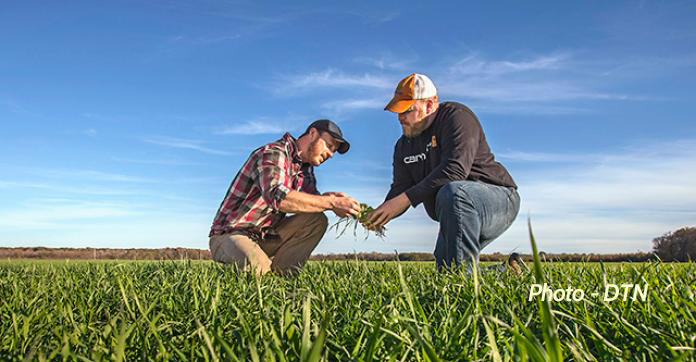
For those struggling to find a reason to believe that meaningful change is possible in American agriculture, look no further than what Adam and Seth Chappell have accomplished on their 8,000 acre Arkansas farm.

Their story is told well and in detail in a July 7, 2020 piece by Chris Bennett posted on Farm Journal’s AgWeb entitled “A Skeptical Farmer’s Monster Message on Profitability.”

Please read this piece from start of finish. It drives home several key points we have harped on for years on Hygeia, but without the authority of the Chappells or the reach of Farm Journal.

Their story is so important because it hammers tight the linkage between the two really big drivers — economics and soil health — that will eventually change agriculture in the U.S. and globally.

And make no mistake, change is coming with or without constructive interventions by private agribusiness and federal policy. Change will eventually happen despite stubborn allegiance by ag “leaders” and institutions to technology, infrastructure, and policies that helped create today’s economic meltdown and continues to fuel incremental environmental erosion of row-crop farm sustainability.

Economics

GMO crop and multiple-herbicide-dependent weed management systems are working less and less well and costing farmers more and more per acre.

Seed-plus-chemical cash costs per acre have more than tripled since the introduction of GMO crop technology packages. The GMO-technology driven revolution in how weeds are managed is steadily eroding soil health and pricing a growing segment of U.S. row-crop farms out of international markets, and into the arms of Uncle Sam.

Notwithstanding COVID and Trump trade policies — Does anyone think heavy reliance on federal subsidies for large-scale, technologically sophisticated farms is a sustainable option to keep thousands of economically unsustainable operations in business?

Soil Health

The progress made by the Chappell operation was grounded in an accurate and sober assessment of what was not working for them, coupled with a hunch that enhancing soil health was a necessary step in the right direction. They were right.

The remarkable progress they have made in the health of their overall operation — including its profitability — rests upon their willingness to “think outside the box” and integrate novel cropping  system management practices that each, incrementally, help cut costs. The Chappells credit successful efforts to take advantage of low-cost crop nutrients flowing through their operation, along with restoring the farm’s biology and soil health in achieving big weed management and productivity dividends.

So don’t bite the next time someone says we have to double-down on high-cost, pesticide-dependent GMO cropping systems in order to feed the world.

Instead, read what the Chappells have already accomplished, mostly on their own. Then reflect on what could be accomplished if all parts of the American agricultural system were pulling in the same direction, investing in soil health, and solving pest and public health problems by getting smart in managing biology to cut costs.

Source:

Chris Bennett, “A Skeptical Farmer’s Monster Message on Profitability,” AgWeb, Date Published: July 7, 2020, Date Accessed: July 28, 2020.


Posted in Hygeia's Blog, Pesticides | Tagged Alternatives to Industrial Ag, Economics, Future of Food, GE Impacts, Soil Quality, Weeds

Related Posts

FAQs re Biden-Harris Ag and EPA Transition Priorities→

So What About the Integrity of the U.S. Organic Grain Supply?→

New Iowa Centric Verse of the Dicamba Blues→

Guest Blog: A Welcomed Dose of Straight Talk — “Making Liars of Proponents and Fools of Enablers”→

Are We Ready for Grassland 2.0?→

Organic Farming May Reduce Food Safety Risk From E. coli, New Study Shows→

Weed Scientists Experience ‘Deja Vu’ as Signs of Dicamba Resistance→

Cargill Announcement: Just Say No to Glufosinate-Desiccated Lentils from Canada→

©2016 Hygeia-Analytics.com. All Rights Reserved.

Menu