
Hygeia AnalyticsLogo

Menu

Skip to content
  • Home
  • About Hygeia
    Analytics
    • Dynamic Presentations
    • Keywords and Site Map
    • Hygeia Analytics – Who We Are
    • Why Hygeia?
    • Funding and “Sound Science”
    • Acronyms and Glossary
    • Sign-Up for Updates
  • Nutrition
    • Introduction and Nutrition 101
      • Good Fat Bad Fat
      • Fatty Acids
        • Primer on the Fatty Acids in Milk
      • Impact of Livestock Feeding
    • Antioxidants
      • Organic Farming Elevates Antioxidants
      • Maximizing Antioxidant Intake
    • Organic vs. Conventional Foods
      • Milk and Dairy Products
        • 2018 Grassmilk Paper
        • PLOS ONE Study
        • Dairy Meta-Analysis
      • Multi Food Meta-Analyses
        • Meat Products
        • Plant-Based Foods
        • Smith-Spangler et al.
        • Dangour et al.
        • The Organic Center Report
      • Food Specific Comparisons
        • General
        • Fruits and Vegetables
        • Wine and Wine Grapes
    • Considering Nutritional Quality
      • Impact of Genetics and Production Systems
      • New Tool for Food Security
      • Transforming Jane Doe’s Diet
      • Nutritional Quality Index
    • Nutrient Decline
    • Other Choices and Challenges
      • Human Health
      • Dietary Choices
  • Pesticides
    • Usage
      • Pesticide Use Data Sources
        • Pesticide Use Indicators
      • PUDS – The Pesticide Use Data System
    • Dietary Risks
      • The Dietary Risk Index (DRI)
    • Risk Assessment and Regulation
      • Food Quality Protection Act (FQPA)
      • Glyphosate/Roundup Case Study
      • The Lowdown on Roundup
      • Does Glyphosate/Roundup Cause Cancer?
      • 2019 Glyphosate Genotoxicity Paper
    • Impacts of GE on Pesticide Use
    • Environmental, Human Health, and Other Impacts of Pesticides
  • Ag Biotech
    • Key Historical Documents – Donald Duvick
    • Key Historical Documents – Arpad Pusztai
    • Herbicide Resistant Crops
    • Weed Resistance
    • Bt Transgenic Crops
    • Resistant Insects
    • Health Risks and Safety Assessments
    • Regulation of GE Crop Technology
    • Marketing, Economics, and Public Relations
    • Patenting and Intellectual Property Issues
    • Labeling
  • Other Issues
    • Animal Products
    • The Future of Food
    • Global Food Security
    • Natural Resources and Climate Change
    • Alternatives to Industrial Ag
    • Policy and Politics
    • Scientific Integrity
    • Soil Health
    • Yields
  • Recent Posts
    • Hot Science
    • In The News
    • Hygeia’s Blog
  • Special
    Coverage
    • Organic Apples in Washington State
    • Dicamba Drift Crisis
    • Organic Food Consumption Lowers Cancer Risk
    • Organic Integrity

EPA Hit With Lawsuit Over Dicamba Drift Crisis

Posted on February 14, 2018 in Environmental Impacts, GMOs, In The News, Pesticides | 300 Views

The debate about whose to blame for the dicamba drift crisis of 2016 and 2017 continues, with a new lawsuit filed in federal court last week taking aim at the Environmental Protection Agency for their approval and regulation of the new dicamba formulations.

A recent story in the Wisconsin Gazette describes the suit against the EPA and Monsanto, which was initiated by five agricultural and environmental watchdog organizations: the Center for Biological Diversity, Center for Food Safety, Earthjustice, National Family Farm Coalition, and Pesticide Action Network.

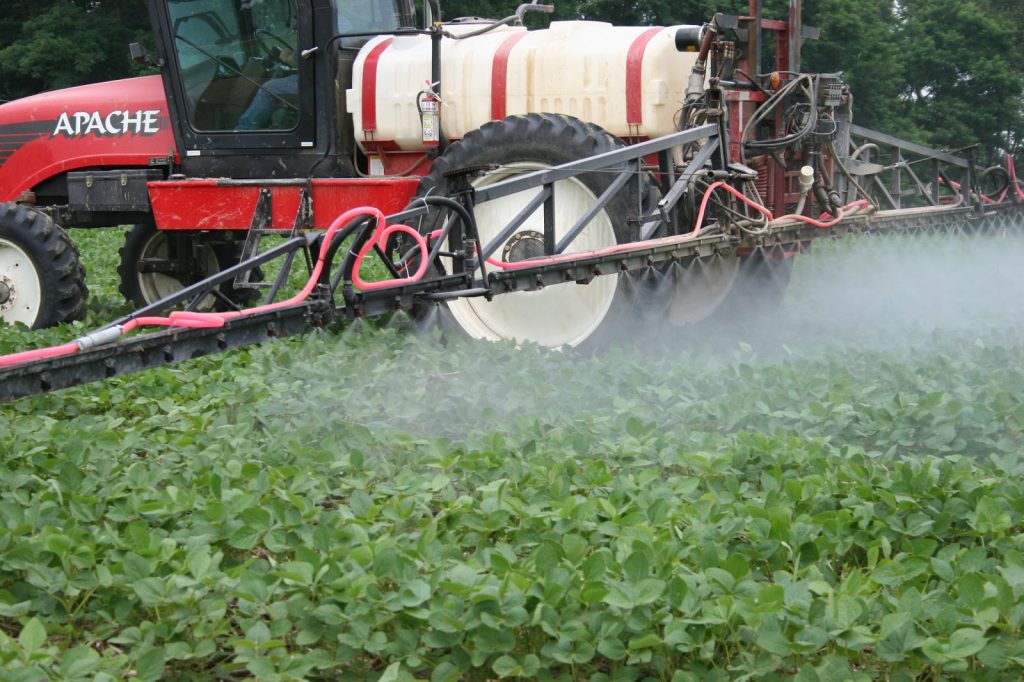
Over 3 million acres of soybeans were damaged in 2017 by drift from applications of the new dicamba formulations, including Monsanto’s Xtendimax which is named in this new lawsuit.   These herbicides were developed to be sprayed on the new dicamba-resistant crops through most of the growing season, targeting weeds that have developed resistance to other commonly used herbicides.   The result — much wider use and more frequent applications of dicamba, long  known to be prone to volatilization and drift, and for much later in the growing season.

For more, see our series of  Herbicide Timelines and Dicamba Watch, with in-depth coverage of the dicamba drift crisis, including state-by-state responses as the drama unfolded.  We also have put together a comprehensive guide to pending lawsuits related to dicamba drift damage; Monsanto’s legal team is bound to have a busy year!

The Wisconsin Gazette article points out that many critics warned that dicamba was likely to drift when applied during the hot summer months.  The lawsuit further alleges that EPA did little to address these concerns, instead bowing to pressure from Monsanto to conditionally approve the new formulations.

Court documents also claim that EPA recognized the potential negative impact from dicamba to hundreds of endangered species that would be exposed, but did not follow Endangered Species Act requirements to seek guidance on protective measures from the appropriate federal wildlife agencies.

“That the EPA would indulge in this kind of recklessness and junk science to appease Monsanto is shocking,” said Paul Achitoff, attorney with Earthjustice, in a statement.

The EPA has approved additional restrictions for dicamba in 2018, but many feel they will not address the drift problem and anticipate another season of damaged crops. Stay tuned right here for more as this story develops.

Sources:

National Family Farm Coalition, et al. v. United States Environmental Protection Agency and Monsanto Company, Case No. 17-70196, United States Court of Appeals for the Ninth Circuit, Filed February 9, 2018.

Lisa Neff, “Farmers, conservationists challenge Trump’s EPA, Monsanto over crop-damaging pesticide,” The Wisconsin Gazette, February 13, 2018.

Posted in Environmental Impacts, GMOs, In The News, Pesticides | Tagged Dicamba, Pesticide Impacts, Policy and Politics

Related Posts

Will This 9th Circuit Order Finally Get Chlorpyrifos Out of the Food Supply?→

FAQs re Biden-Harris Ag and EPA Transition Priorities→

Implications of EPA’s Decision to Renew Dicamba Registration for Over-the-Top Use→

Neonic Seed Treatments in the (Science) News→

Dr. Benbrook Testifies Before the Philadelphia City Council as they Consider Glyphosate Ban→

Guest Blog: The Big Meat Gang Is Getting Awfully Smelly→

Why Promoting Organic Integrity Must Become a Top Priority for USDA→

Guest Blog: Finding the Root Cause of Organic Fraud→

©2016 Hygeia-Analytics.com. All Rights Reserved.

Menu