
Hygeia AnalyticsLogo

Menu

Skip to content
  • Home
  • About Hygeia
    Analytics
    • Dynamic Presentations
    • Keywords and Site Map
    • Hygeia Analytics – Who We Are
    • Why Hygeia?
    • Funding and “Sound Science”
    • Acronyms and Glossary
    • Sign-Up for Updates
  • Nutrition
    • Introduction and Nutrition 101
      • Good Fat Bad Fat
      • Fatty Acids
        • Primer on the Fatty Acids in Milk
      • Impact of Livestock Feeding
    • Antioxidants
      • Organic Farming Elevates Antioxidants
      • Maximizing Antioxidant Intake
    • Organic vs. Conventional Foods
      • Milk and Dairy Products
        • 2018 Grassmilk Paper
        • PLOS ONE Study
        • Dairy Meta-Analysis
      • Multi Food Meta-Analyses
        • Meat Products
        • Plant-Based Foods
        • Smith-Spangler et al.
        • Dangour et al.
        • The Organic Center Report
      • Food Specific Comparisons
        • General
        • Fruits and Vegetables
        • Wine and Wine Grapes
    • Considering Nutritional Quality
      • Impact of Genetics and Production Systems
      • New Tool for Food Security
      • Transforming Jane Doe’s Diet
      • Nutritional Quality Index
    • Nutrient Decline
    • Other Choices and Challenges
      • Human Health
      • Dietary Choices
  • Pesticides
    • Usage
      • Pesticide Use Data Sources
        • Pesticide Use Indicators
      • PUDS – The Pesticide Use Data System
    • Dietary Risks
      • The Dietary Risk Index (DRI)
    • Risk Assessment and Regulation
      • Food Quality Protection Act (FQPA)
      • Glyphosate/Roundup Case Study
      • The Lowdown on Roundup
      • Does Glyphosate/Roundup Cause Cancer?
      • 2019 Glyphosate Genotoxicity Paper
    • Impacts of GE on Pesticide Use
    • Environmental, Human Health, and Other Impacts of Pesticides
  • Ag Biotech
    • Key Historical Documents – Donald Duvick
    • Key Historical Documents – Arpad Pusztai
    • Herbicide Resistant Crops
    • Weed Resistance
    • Bt Transgenic Crops
    • Resistant Insects
    • Health Risks and Safety Assessments
    • Regulation of GE Crop Technology
    • Marketing, Economics, and Public Relations
    • Patenting and Intellectual Property Issues
    • Labeling
  • Other Issues
    • Animal Products
    • The Future of Food
    • Global Food Security
    • Natural Resources and Climate Change
    • Alternatives to Industrial Ag
    • Policy and Politics
    • Scientific Integrity
    • Soil Health
    • Yields
  • Recent Posts
    • Hot Science
    • In The News
    • Hygeia’s Blog
  • Special
    Coverage
    • Organic Apples in Washington State
    • Dicamba Drift Crisis
    • Organic Food Consumption Lowers Cancer Risk
    • Organic Integrity

Bayer Reaches Deal with Massachusetts Attorney General Over Allegations of Misleading Consumers about Pesticide Risks

Posted on February 2, 2017 in Environmental Impacts, In The News, Pesticides | 124 Views

The Attorney General (AG) of the State of Massachusetts has succeeded, for what is believed to be the first time, in getting a pesticide giant to change they way they communicate with the public about pesticide risks to the environment.  As this press release describes how the state accused Bayer of misleading consumers about the dangers posed to bees and other pollinators by products containing neonicotinoid insecticides.

In an investigation that started in 2013, the AG’s office found that in advertising for their lawn and garden care products, Bayer violated the Massachusetts Consumer Protection Act by making what they call “deceptive and misleading claims” that applying these pesticides was like giving plants a “daily vitamin.” In reality, scientists have identified multiple negative impacts from these pesticides to pollinators and the environment.

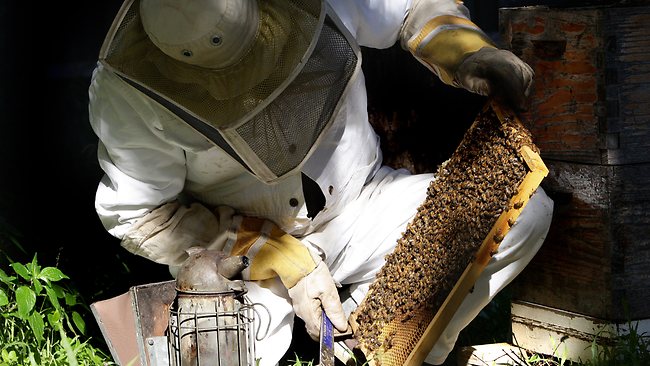
About one-third of the American depends on pollinators, and the majority of this role is filled by honeybees.  The neonicotinoids that this legal action was focused on have long been thought to play an important role in the recent declines of honey bees, including outbreaks of Colony Collapse Disorder.  As we point out in this Hot Science post, there is much we still need to learn about these powerful pesticides, which have quickly become the most widely applied insecticide in the world.  Also see this blog post for additional discussion; with new science emerging just this month expect to hear more on this topic soon!

Source:

Massachusetts Office of the Attorney General, Press Release: “AG Takes Action Against Bayer Over Deceptive Marketing About Risks of Pesticides,” October 26, 2016.

Posted in Environmental Impacts, In The News, Pesticides | Tagged Bees, Neonicotinoids, Pesticide Impacts, Policy and Politics

Related Posts

Will This 9th Circuit Order Finally Get Chlorpyrifos Out of the Food Supply?→

FAQs re Biden-Harris Ag and EPA Transition Priorities→

Implications of EPA’s Decision to Renew Dicamba Registration for Over-the-Top Use→

Neonic Seed Treatments in the (Science) News→

Dr. Benbrook Testifies Before the Philadelphia City Council as they Consider Glyphosate Ban→

Guest Blog: The Big Meat Gang Is Getting Awfully Smelly→

Why Promoting Organic Integrity Must Become a Top Priority for USDA→

Guest Blog: Finding the Root Cause of Organic Fraud→

©2016 Hygeia-Analytics.com. All Rights Reserved.

Menu