
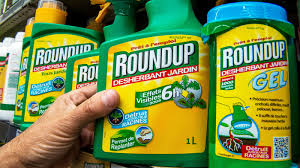
The public comment period on EPA’s proposed re-registration of glyphosate-based herbicides (GBHs) closed on September 3, 2019. The Agency has received well over 300,000 comments, including 31-pages worth from Hygeia’s Dr. Charles Benbrook.
Benbrook’s submitted comments draw on his work over many years on the impact of GBH use on weed management systems and herbicide use, and on exposures to glyphosate and the risk of chronic disease.
In the last two years, his work on Roundup and glyphosate’s public-health impacts has focused on: (a) reproductive and developmental problems arising from prenatal exposures to GBHs, and (b) the role of GBH use and exposures in triggering or promoting non-Hodgkin lymphoma (NHL).
Benbrook’s ongoing role as an expert witness in Roundup-NHL litigation has provided unique opportunities to study in depth what Monsanto knew, when the company became aware of certain facts, and whether the information provided by Monsanto to regulators, Roundup users, and the scientific community was consistent with the information and insights of Monsanto’s own scientists.
As important as the litigation is, particularly to the 18,000-plus plaintiffs who have died from the disease or are now battling it, the EPA’s decisions on whether, and under what conditions to approve continued use of Roundup-brand herbicides and other GBHs is even more important. Why?
Because if EPA and Bayer stay the course they are now on, there will likely be many more thousands of people who suffer from NHL, or other health problems caused, or made worse by exposures to a GBH.
EPA and Bayer have backed themselves in a corner with their adamant, unequivocal statements asserting Roundup is safe. They continue to insist there is “no evidence” linking exposures to GBHs to any health problem, when in fact there are hundreds of studies that do so, especially for NHL.
Both the Agency and Bayer have staked their reputations on the position that Roundup and GBHs pose no risks. As a result, both see no need, or at least will not admit to any need, to make the GBHs sold in the U.S. safer, as Monsanto-Europe did in 2012-2014 when they phased out the older, much-higher risk POEA surfactants and replaced them with much safer ones.
It is ironic that Roundup and other GBHs can simultaneously be among the safest, most effective pesticides ever sold, yet also the cause of some of the most serious, adverse public health and environmental effects ever triggered by a pesticide.

How can this be? Remember the old saying “the dose makes the poison?” Most of the people suffering from NHL and involved in the Roundup-NHL litigation were exposed to a GBH multiple times per year, often for many hours per day, and over many years. And many of these people experienced a few to several high-exposure episodes. High and repeated doses of low-risk pesticides can add up to substantial risk of chronic disease.
Around the world, other countries are taking emerging science seriously. Dozens of new studies — many cited in Benbrook’s comments to the EPA — link GBHs to cancer, adverse reproductive outcomes, autism, liver and kidney disease, and GI tract problems rooted in impaired microbiomes. Just today, September 4th, Germany announced its intention to phase out use of GBHs by 2023.
But EPA and Bayer refuse to accept that GBHs pose any risks, and are moving full-steam-ahead toward re-registering GBHs with essentially no changes designed to make Roundup and other GBHs inherently safer.
They are not supporting commonsense new label warnings and directions, like “wear gloves when spraying a GBH” and “take extra precautions if you spray a GBH many hours per day for several days a year as part of your job, or when working on a farm or small business.” Such additions to the label, and similar messaging across multiple platforms, is needed to discourage people from spraying Roundup in shorts and sandals.
Many important changes are needed in the regulation of Roundup and GBHs, all designed to achieve a common goal — reducing human and environmental risks one application at a time, consistently, across the several million applications occuring every year.
Our hope is that these comments and concrete recommendations to the EPA will nudge the Agency and Bayer toward a set of actions that will lessen the chance that one of the world’s “safest” pesticides continues to be one of the most dangerous.