
Hygeia AnalyticsLogo

Menu

Skip to content
  • Home
  • About Hygeia
    Analytics
    • Dynamic Presentations
    • Keywords and Site Map
    • Hygeia Analytics – Who We Are
    • Why Hygeia?
    • Funding and “Sound Science”
    • Acronyms and Glossary
    • Sign-Up for Updates
  • Nutrition
    • Introduction and Nutrition 101
      • Good Fat Bad Fat
      • Fatty Acids
        • Primer on the Fatty Acids in Milk
      • Impact of Livestock Feeding
    • Antioxidants
      • Organic Farming Elevates Antioxidants
      • Maximizing Antioxidant Intake
    • Organic vs. Conventional Foods
      • Milk and Dairy Products
        • 2018 Grassmilk Paper
        • PLOS ONE Study
        • Dairy Meta-Analysis
      • Multi Food Meta-Analyses
        • Meat Products
        • Plant-Based Foods
        • Smith-Spangler et al.
        • Dangour et al.
        • The Organic Center Report
      • Food Specific Comparisons
        • General
        • Fruits and Vegetables
        • Wine and Wine Grapes
    • Considering Nutritional Quality
      • Impact of Genetics and Production Systems
      • New Tool for Food Security
      • Transforming Jane Doe’s Diet
      • Nutritional Quality Index
    • Nutrient Decline
    • Other Choices and Challenges
      • Human Health
      • Dietary Choices
  • Pesticides
    • Usage
      • Pesticide Use Data Sources
        • Pesticide Use Indicators
      • PUDS – The Pesticide Use Data System
    • Dietary Risks
      • The Dietary Risk Index (DRI)
    • Risk Assessment and Regulation
      • Food Quality Protection Act (FQPA)
      • Glyphosate/Roundup Case Study
      • The Lowdown on Roundup
      • Does Glyphosate/Roundup Cause Cancer?
      • 2019 Glyphosate Genotoxicity Paper
    • Impacts of GE on Pesticide Use
    • Environmental, Human Health, and Other Impacts of Pesticides
  • Ag Biotech
    • Key Historical Documents – Donald Duvick
    • Key Historical Documents – Arpad Pusztai
    • Herbicide Resistant Crops
    • Weed Resistance
    • Bt Transgenic Crops
    • Resistant Insects
    • Health Risks and Safety Assessments
    • Regulation of GE Crop Technology
    • Marketing, Economics, and Public Relations
    • Patenting and Intellectual Property Issues
    • Labeling
  • Other Issues
    • Animal Products
    • The Future of Food
    • Global Food Security
    • Natural Resources and Climate Change
    • Alternatives to Industrial Ag
    • Policy and Politics
    • Scientific Integrity
    • Soil Health
    • Yields
  • Recent Posts
    • Hot Science
    • In The News
    • Hygeia’s Blog
  • Special
    Coverage
    • Organic Apples in Washington State
    • Dicamba Drift Crisis
    • Organic Food Consumption Lowers Cancer Risk
    • Organic Integrity

EPA Issues Final Ruling on Chlorpryifos, Allows Continued Use Despite Health Concerns

Posted on July 25, 2019 in In The News, Pesticides | 118 Views

The EPA has made its last play in a long game of regulatory tug of war regarding the controversial insecticide chlorpyrifos, as the New York Times reports.

The epic legal battle unfolded after President Obama initially banned the use of chlorpyrifos in 2015 due to concerns that even low exposures caused neurodevelopmental impacts in children.  But the ban had not yet gone into effect when the Trump administration took over, and Scott Pruitt’s EPA reversed the decision in 2017.

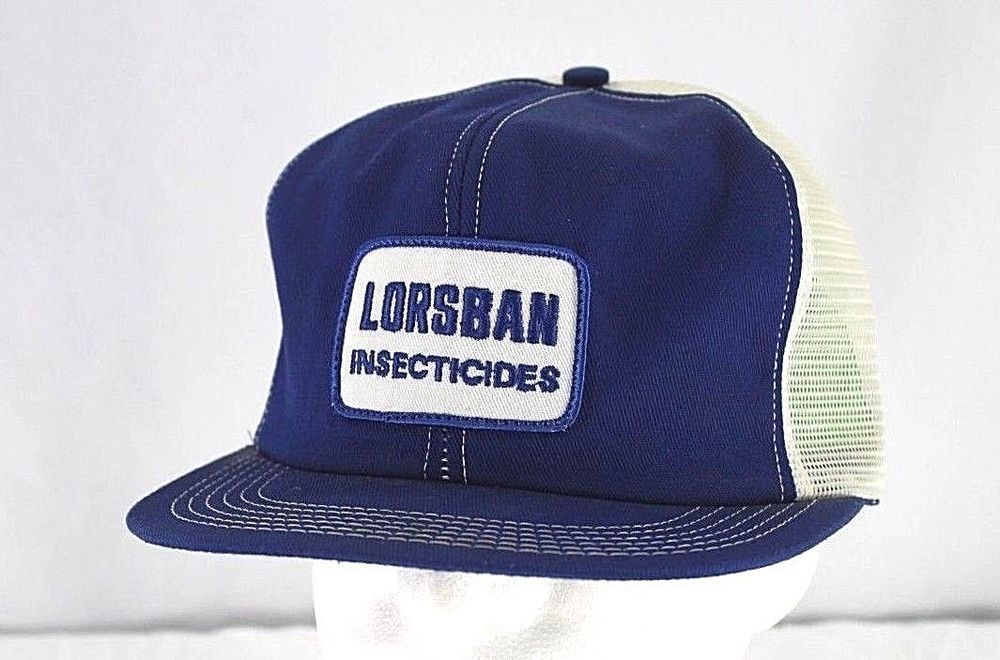
This move prompted a slew of legal challenges, and chlorpyrifos use has been up in the air since then.  But this week’s announcement by the EPA gives the pesticide, which is manufactured by Corteva Agriscience and sold under the brand name Lorsban, a green light.

In an editorial entitled “The pesticide the EPA knows harms children but approved anyway,” the Baltimore Sun Editorial Board called the EPA’s decision “wrong, wrong, wrong.”   They write that the agency’s “primary mission is not to protect the profitability of the chemical industry or even farmers who may find chlorpyrifos an affordable and convenient product but have other pesticide alternatives available to them.”

More lawsuits are expected as public health defenders and environmental groups vow to challenge this latest ruling.  But for now, it will mean that chlorpyrifos residues will continue to show up on fruit and vegetables grown in the U.S.  To learn more about what produce is more likely to contain chlorpyrifos contamination, see our Dietary Risk Index.

Sources:

Baltimore Sun Editorial Board, “The pesticide the EPA knows harms children but approved anyway,” The Baltimore Sun, Date Posted: July 22, 2019, Date Accessed: July 24, 2019.

Lisa Friedman, “E.P.A. Won’t Ban Chlorpyrifos, Pesticide Tied to Children’s Health Problems,” The New York Times, Date Posted: July 18, 2019, Date Accessed: July 24, 2019.


Posted in In The News, Pesticides | Tagged Human Health, Pesticide Impacts. Dietary Risks, Policy and Politics

Related Posts

Will This 9th Circuit Order Finally Get Chlorpyrifos Out of the Food Supply?→

Research Links Childhood Stress to the Microbiome in Pregnancy, and Suggests Protective Role of Omega-3 Fatty Acids→

FAQs re Biden-Harris Ag and EPA Transition Priorities→

Implications of EPA’s Decision to Renew Dicamba Registration for Over-the-Top Use→

Neonic Seed Treatments in the (Science) News→

Dr. Benbrook Testifies Before the Philadelphia City Council as they Consider Glyphosate Ban→

The DRI — A New Tool for Tracking Pesticides in Food→

Guest Blog: The Big Meat Gang Is Getting Awfully Smelly→

©2016 Hygeia-Analytics.com. All Rights Reserved.

Menu