
Hygeia AnalyticsLogo

Menu

Skip to content
  • Home
  • About Hygeia
    Analytics
    • Dynamic Presentations
    • Keywords and Site Map
    • Hygeia Analytics – Who We Are
    • Why Hygeia?
    • Funding and “Sound Science”
    • Acronyms and Glossary
    • Sign-Up for Updates
  • Nutrition
    • Introduction and Nutrition 101
      • Good Fat Bad Fat
      • Fatty Acids
        • Primer on the Fatty Acids in Milk
      • Impact of Livestock Feeding
    • Antioxidants
      • Organic Farming Elevates Antioxidants
      • Maximizing Antioxidant Intake
    • Organic vs. Conventional Foods
      • Milk and Dairy Products
        • 2018 Grassmilk Paper
        • PLOS ONE Study
        • Dairy Meta-Analysis
      • Multi Food Meta-Analyses
        • Meat Products
        • Plant-Based Foods
        • Smith-Spangler et al.
        • Dangour et al.
        • The Organic Center Report
      • Food Specific Comparisons
        • General
        • Fruits and Vegetables
        • Wine and Wine Grapes
    • Considering Nutritional Quality
      • Impact of Genetics and Production Systems
      • New Tool for Food Security
      • Transforming Jane Doe’s Diet
      • Nutritional Quality Index
    • Nutrient Decline
    • Other Choices and Challenges
      • Human Health
      • Dietary Choices
  • Pesticides
    • Usage
      • Pesticide Use Data Sources
        • Pesticide Use Indicators
      • PUDS – The Pesticide Use Data System
    • Dietary Risks
      • The Dietary Risk Index (DRI)
    • Risk Assessment and Regulation
      • Food Quality Protection Act (FQPA)
      • Glyphosate/Roundup Case Study
      • The Lowdown on Roundup
      • Does Glyphosate/Roundup Cause Cancer?
      • 2019 Glyphosate Genotoxicity Paper
    • Impacts of GE on Pesticide Use
    • Environmental, Human Health, and Other Impacts of Pesticides
  • Ag Biotech
    • Key Historical Documents – Donald Duvick
    • Key Historical Documents – Arpad Pusztai
    • Herbicide Resistant Crops
    • Weed Resistance
    • Bt Transgenic Crops
    • Resistant Insects
    • Health Risks and Safety Assessments
    • Regulation of GE Crop Technology
    • Marketing, Economics, and Public Relations
    • Patenting and Intellectual Property Issues
    • Labeling
  • Other Issues
    • Animal Products
    • The Future of Food
    • Global Food Security
    • Natural Resources and Climate Change
    • Alternatives to Industrial Ag
    • Policy and Politics
    • Scientific Integrity
    • Soil Health
    • Yields
  • Recent Posts
    • Hot Science
    • In The News
    • Hygeia’s Blog
  • Special
    Coverage
    • Organic Apples in Washington State
    • Dicamba Drift Crisis
    • Organic Food Consumption Lowers Cancer Risk
    • Organic Integrity

California Issues New Restrictions on Chlorpyrifos

Posted on November 16, 2018 in In The News, Pesticides | 148 Views

The State of California is taking steps to restrict use of the insecticide chlorpyrifos over concerns it is “harming the brains of babies.”

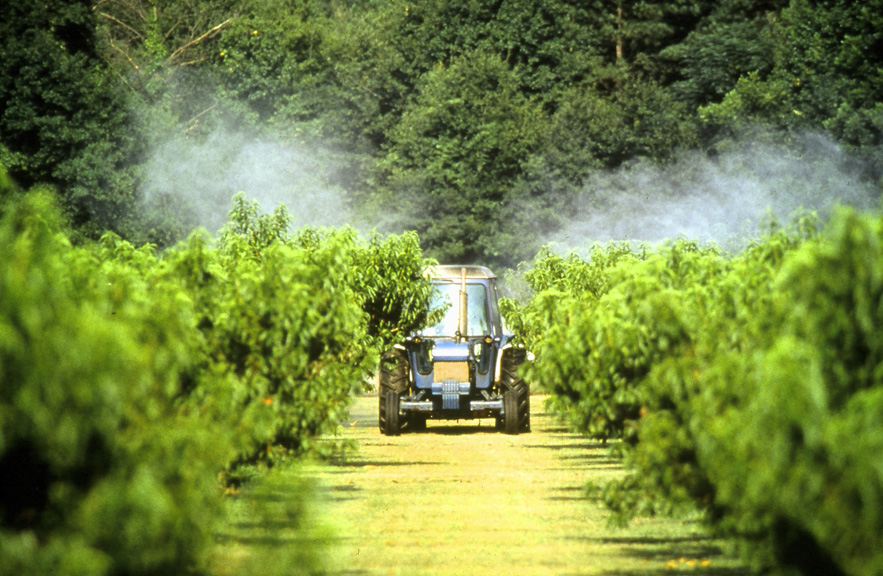
In temporary guidelines issued this week, the California Department of Pesticide Regulation recommends farmers discontinue use on most crops and increased the required spray perimeters for the rest. They also order a halt on crop dusting with chlorpyrifos.

Recall that the Trump EPA reversed an Obama-era EPA recommendation to ban chlorpyrifos, despite significant scientific evidence implicating the pesticide in neurodevelopmental damage, especially in infants and children.

A lawsuit trying to force EPA to ban the pesticide is currently working it’s way through the courts. In August, a federal appeals court ruled that the agency had to halt sales of chlorpyrifos, ruling that “the Trump administration endangered public health by reversing an Obama-era effort to ban the chemical.”  The administration is appealing this decision.

Amidst all this controversy, California is considering additional long-term restrictions on chlorpyrifos to replace these temporary guidelines, which are voluntary. On the table – classifying the controversial insecticide as a “toxic air contaminant,” meaning it “poses a risk of serious illness or death.”

Farm groups such as the Almond Board of California have committed to following the state’s recommendations.

Give the lack of leadership at the federal level, it may be up to the states and NGOs to try and force a halt on chlorpyrifos use.  The failure of Congress to pass the Farm Bill, which included a controversial provision that would have prevented this kind of local regulation of pesticides, means that there is still room for states and local jurisdictions to take the lead on chlorpyrifos regulation.

Source:

Brian Melley, “California recommends restrictions for popular pesticide,” The Sacremento Bee, November 15, 2018.

Posted in In The News, Pesticides | Tagged Pesticide Impacts, Policy and Politics

Related Posts

Will This 9th Circuit Order Finally Get Chlorpyrifos Out of the Food Supply?→

FAQs re Biden-Harris Ag and EPA Transition Priorities→

Implications of EPA’s Decision to Renew Dicamba Registration for Over-the-Top Use→

Neonic Seed Treatments in the (Science) News→

Dr. Benbrook Testifies Before the Philadelphia City Council as they Consider Glyphosate Ban→

Guest Blog: The Big Meat Gang Is Getting Awfully Smelly→

Why Promoting Organic Integrity Must Become a Top Priority for USDA→

Guest Blog: Finding the Root Cause of Organic Fraud→

©2016 Hygeia-Analytics.com. All Rights Reserved.

Menu