
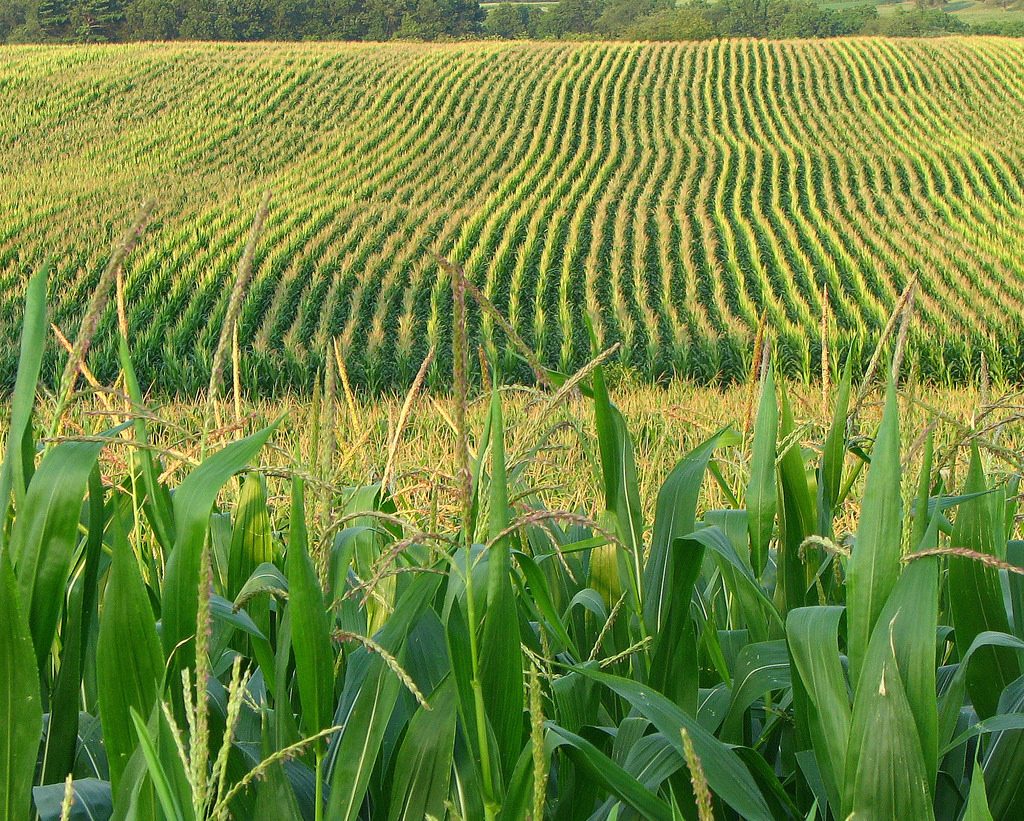
Farmers are bracing for a rough season contending with the spread of glyphosate-resistant weeds throughout the Heartland. The collapsing efficacy of genetically engineered (GE), herbicide-resistant (HR) technology coincides with a serious downturn in corn, soybean, and cotton prices.
Rising costs for GE-HR seed, the need to markedly intensify herbicide use (driving production costs higher), and the problems associated with new, multiple-herbicide resistant varieties is creating a perfect storm on many crop farms.
An overview of the newly released 2017 outlook for corn and soybean weed management published by Corn+Soybean Digest provides perspective on just how complex – and costly — weed management challenges will be later this spring. The update is based on reports from Winfield United consulting agronomists who are based in key corn-soybean production areas in the Midwest. Their message is clear:
- Glyphosate-resistant weeds are spreading fast and are a problem in a majority of fields;
- Aggressive action must be taken in crop-season 2017 to prevent an even more serious problem in future years;
- Higher rates of additional herbicides must be applied to stop the spread of weeds resistant to multiple families of herbicide chemistry (especially herbicide groups 2 (ALS inhibitors), 5 (triazines), 14 (PPOs), and 9 (glyphosate)); and
- At least three effective modes of action must be rotated for early season, and season-long control, a strategy that will lead to applications of four or more different herbicides.
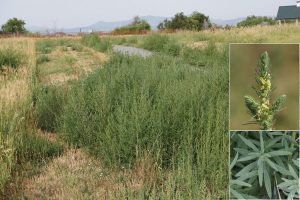
The agronomists stress the importance of much more careful field scouting, because resistant weeds are easiest to control when they are small. If growers are slow to recognize a problem, and then cannot get in the field to spray for a few days as rain passes through, they start the cleanup process with two strikes against them. Kochia control, in particular, becomes very difficult once weeds become well established.
In Indiana, “nearly 100% of the waterhemp and Palmer amaranth are now resistant to glyphosate (Group 9) and ALS (2) herbicides” with more also becoming resistant to foliar applications of PPO herbicides (Group 14), according to one Winfield agronomist.
The popularity and rapid adoption of GE-HR “Roundup Ready” corn and soybeans in the late 1990s was driven by neutral cost, simplicity, and efficacy, coupled with the ease of dealing with problems triggered by the weather, equipment, or operator error (just make another application, which Monsanto often paid for). Now, GE-HR technology is complex, often not effective, vulnerable to weather-driven setbacks, and much more costly than other weed management strategies. And the problems are bound to get worse for at least several years, and as they do, costs will rise further, as will complications and collateral damage.
It is clear how the pesticide-seed-biotechnology industry is responding to the problem. They are forcing farmers to double-down on herbicide-based solutions to problems triggered by excessive reliance on herbicides. They can do this because the companies control the decisions regarding which GE-HR traits are bred into the majority of the corn and soybean seed supply.
Monsanto, DuPont-Pioneer, and Dow AgroSciences have announced plans to move either the dicamba– or 2,4-D-resistance gene into the vast majority of their share of the soybean seed supply. Farmers will have no choice but to choose from among the locally adapted GE-HR seeds offered to them. Sure, some will seek out and buy non-GE seed, but the supply will be limited to around 10% of overall acreage.
One would hope that more and more farmers will recognize the need to change weed management systems, but their embrace of GE-HR technology remains largely unchanged. The decision to break from the pack is a difficult one, both technically and culturally, despite the substantial premiums offered for non-GE and organic corn and soybeans.
Until such a break happens on a larger scale, farmers in Eastern Europe and South America are delighted at the chance to meet growing demand here in the U.S. for non-GE and organic livestock feed.
Source:
Kurt Lawton, “Weed control outlook: Soybeans & corn,” Corn and Soybean Digest, February 7, 2017