
Hygeia AnalyticsLogo

Menu

Skip to content
  • Home
  • About Hygeia
    Analytics
    • Dynamic Presentations
    • Keywords and Site Map
    • Hygeia Analytics – Who We Are
    • Why Hygeia?
    • Funding and “Sound Science”
    • Acronyms and Glossary
    • Sign-Up for Updates
  • Nutrition
    • Introduction and Nutrition 101
      • Good Fat Bad Fat
      • Fatty Acids
        • Primer on the Fatty Acids in Milk
      • Impact of Livestock Feeding
    • Antioxidants
      • Organic Farming Elevates Antioxidants
      • Maximizing Antioxidant Intake
    • Organic vs. Conventional Foods
      • Milk and Dairy Products
        • 2018 Grassmilk Paper
        • PLOS ONE Study
        • Dairy Meta-Analysis
      • Multi Food Meta-Analyses
        • Meat Products
        • Plant-Based Foods
        • Smith-Spangler et al.
        • Dangour et al.
        • The Organic Center Report
      • Food Specific Comparisons
        • General
        • Fruits and Vegetables
        • Wine and Wine Grapes
    • Considering Nutritional Quality
      • Impact of Genetics and Production Systems
      • New Tool for Food Security
      • Transforming Jane Doe’s Diet
      • Nutritional Quality Index
    • Nutrient Decline
    • Other Choices and Challenges
      • Human Health
      • Dietary Choices
  • Pesticides
    • Usage
      • Pesticide Use Data Sources
        • Pesticide Use Indicators
      • PUDS – The Pesticide Use Data System
    • Dietary Risks
      • The Dietary Risk Index (DRI)
    • Risk Assessment and Regulation
      • Food Quality Protection Act (FQPA)
      • Glyphosate/Roundup Case Study
      • The Lowdown on Roundup
      • Does Glyphosate/Roundup Cause Cancer?
      • 2019 Glyphosate Genotoxicity Paper
    • Impacts of GE on Pesticide Use
    • Environmental, Human Health, and Other Impacts of Pesticides
  • Ag Biotech
    • Key Historical Documents – Donald Duvick
    • Key Historical Documents – Arpad Pusztai
    • Herbicide Resistant Crops
    • Weed Resistance
    • Bt Transgenic Crops
    • Resistant Insects
    • Health Risks and Safety Assessments
    • Regulation of GE Crop Technology
    • Marketing, Economics, and Public Relations
    • Patenting and Intellectual Property Issues
    • Labeling
  • Other Issues
    • Animal Products
    • The Future of Food
    • Global Food Security
    • Natural Resources and Climate Change
    • Alternatives to Industrial Ag
    • Policy and Politics
    • Scientific Integrity
    • Soil Health
    • Yields
  • Recent Posts
    • Hot Science
    • In The News
    • Hygeia’s Blog
  • Special
    Coverage
    • Organic Apples in Washington State
    • Dicamba Drift Crisis
    • Organic Food Consumption Lowers Cancer Risk
    • Organic Integrity

Another Study Highlights Huge Economic Impact of Pesticide Use and Exposures

Posted on November 16, 2016 in GMOs, Hot Science, Pesticides | 296 Views

This study reports some remarkable numbers quantifying the economic impact of exposures to endocrine disrupting chemicals. Pesticides cause the second largest impact — some $44 billion — right behind flame retardants.

While worrisome enough, the huge increases now occurring in herbicide, insecticide, and fungicide use on farms growing the three major genetically engineered (GE, or GMO) crops (corn, soybeans, cotton) is bound to markedly increase exposures, reproductive problems, birth defects, and a host of life-long health problems.  As the seminal study by Harvard Medical School’s David Bellinger from 2012 describes, organophophate pesticides were found to have the second highest impact on neurological development of children of all the environmental chemicals that were studied (Bellinger et al, 2012).

Hopefully sooner rather than later, the agricultural commodity groups and farmers will rediscover prevention-based Integrated Pest Management (IPM) and start to reduce their dependence on pesticides and transgenic traits in the annual battle against pests.

Instead, if they try to spray their way out of the corner they have been backed into, both use and exposures will rise further, including risks stemming from a number of older, higher-risk herbicides that are being brought back into widespread use in the hope of dealing with the rapid spread of glyphosate-resistant weeds.

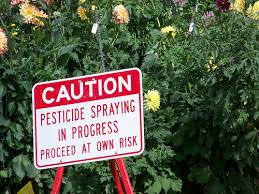
Featured image source: Wikipedia Commons

Source:

Brian Bienkowski, “Toxic economy: Common chemicals cost US billions every year,” October 17, 2016, Environmental Health News. 

References:

Bellinger et al, “A Strategy for Comparing the Contributions of Environmental Chemicals and Other Risk Factors to Neurodevelopment of Children,” April 2012, Environmental Health Perspectives, 120:4.

Posted in GMOs, Hot Science, Pesticides | Tagged Dietary Risks, Economics, GE Impacts, Human Health, Pesticide Impacts

Related Posts

Will This 9th Circuit Order Finally Get Chlorpyrifos Out of the Food Supply?→

Research Links Childhood Stress to the Microbiome in Pregnancy, and Suggests Protective Role of Omega-3 Fatty Acids→

FAQs re Biden-Harris Ag and EPA Transition Priorities→

Implications of EPA’s Decision to Renew Dicamba Registration for Over-the-Top Use→

Neonic Seed Treatments in the (Science) News→

Dr. Benbrook Testifies Before the Philadelphia City Council as they Consider Glyphosate Ban→

The DRI — A New Tool for Tracking Pesticides in Food→

Guest Blog: The Big Meat Gang Is Getting Awfully Smelly→

©2016 Hygeia-Analytics.com. All Rights Reserved.

Menu