
Hygeia AnalyticsLogo

Menu

Skip to content
  • Home
  • About Hygeia
    Analytics
    • Dynamic Presentations
    • Keywords and Site Map
    • Hygeia Analytics – Who We Are
    • Why Hygeia?
    • Funding and “Sound Science”
    • Acronyms and Glossary
    • Sign-Up for Updates
  • Nutrition
    • Introduction and Nutrition 101
      • Good Fat Bad Fat
      • Fatty Acids
        • Primer on the Fatty Acids in Milk
      • Impact of Livestock Feeding
    • Antioxidants
      • Organic Farming Elevates Antioxidants
      • Maximizing Antioxidant Intake
    • Organic vs. Conventional Foods
      • Milk and Dairy Products
        • 2018 Grassmilk Paper
        • PLOS ONE Study
        • Dairy Meta-Analysis
      • Multi Food Meta-Analyses
        • Meat Products
        • Plant-Based Foods
        • Smith-Spangler et al.
        • Dangour et al.
        • The Organic Center Report
      • Food Specific Comparisons
        • General
        • Fruits and Vegetables
        • Wine and Wine Grapes
    • Considering Nutritional Quality
      • Impact of Genetics and Production Systems
      • New Tool for Food Security
      • Transforming Jane Doe’s Diet
      • Nutritional Quality Index
    • Nutrient Decline
    • Other Choices and Challenges
      • Human Health
      • Dietary Choices
  • Pesticides
    • Usage
      • Pesticide Use Data Sources
        • Pesticide Use Indicators
      • PUDS – The Pesticide Use Data System
    • Dietary Risks
      • The Dietary Risk Index (DRI)
    • Risk Assessment and Regulation
      • Food Quality Protection Act (FQPA)
      • Glyphosate/Roundup Case Study
      • The Lowdown on Roundup
      • Does Glyphosate/Roundup Cause Cancer?
      • 2019 Glyphosate Genotoxicity Paper
    • Impacts of GE on Pesticide Use
    • Environmental, Human Health, and Other Impacts of Pesticides
  • Ag Biotech
    • Key Historical Documents – Donald Duvick
    • Key Historical Documents – Arpad Pusztai
    • Herbicide Resistant Crops
    • Weed Resistance
    • Bt Transgenic Crops
    • Resistant Insects
    • Health Risks and Safety Assessments
    • Regulation of GE Crop Technology
    • Marketing, Economics, and Public Relations
    • Patenting and Intellectual Property Issues
    • Labeling
  • Other Issues
    • Animal Products
    • The Future of Food
    • Global Food Security
    • Natural Resources and Climate Change
    • Alternatives to Industrial Ag
    • Policy and Politics
    • Scientific Integrity
    • Soil Health
    • Yields
  • Recent Posts
    • Hot Science
    • In The News
    • Hygeia’s Blog
  • Special
    Coverage
    • Organic Apples in Washington State
    • Dicamba Drift Crisis
    • Organic Food Consumption Lowers Cancer Risk
    • Organic Integrity

Roundup Unready

Posted on December 22, 2015 in GMOs, Pesticides | 103 Views

Historic posts are reprinted verbatim from their original source.

Source: Editorial Desk, The New York Times, February 19, 2003

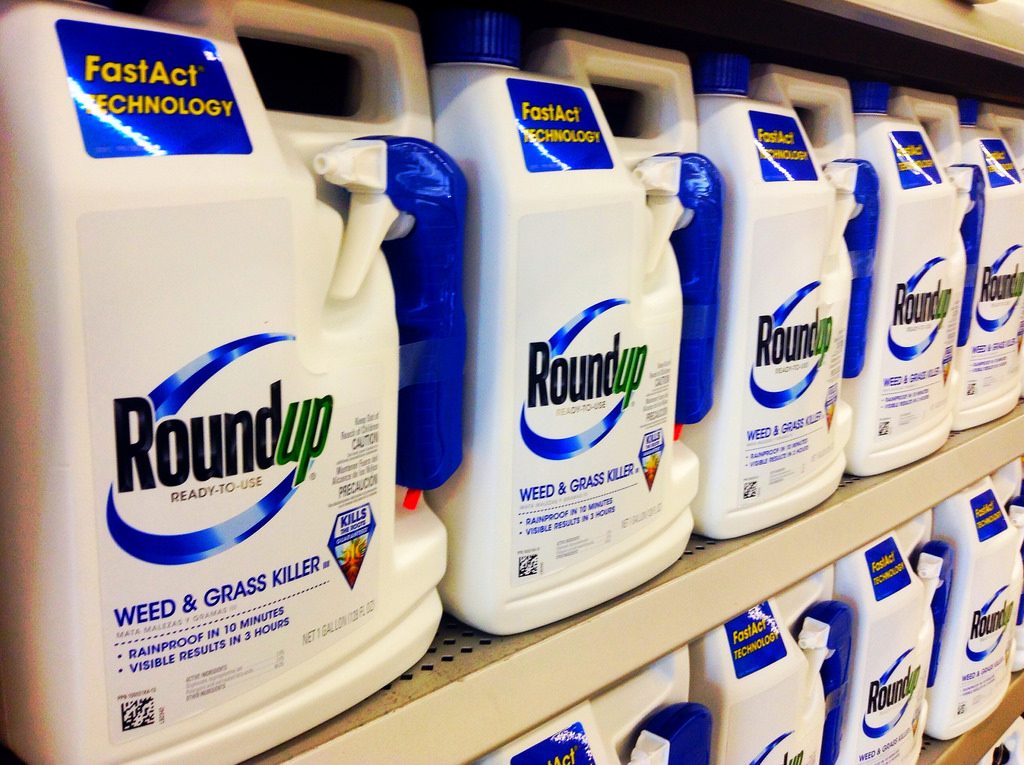
One of the most pervasive chemicals in modern agriculture is a herbicide called glyphosate, which is better known by its trade name, Roundup. When it was first introduced in 1974, by Monsanto, no one could have predicted its current ubiquity or the way it would change farming. Roundup was safe, effective and relatively benign, environmentally speaking. It became one of the essential tools that made no-till farming — a conservation practice in which farmers spray weeds rather than plowing the ground — increasingly popular. But what really made Roundup pervasive was the development of genetically modified crops, especially soybeans, cotton and corn, that could tolerate having Roundup sprayed directly on them. The weeds died but these crops, designated Roundup Ready, thrived. Seventy-five percent of the soybean crop planted in this country last year was Roundup Ready, as was 65 percent of the cotton and 10 percent of the corn. On soybeans alone last year, farmers sprayed about 33 million pounds of glyphosate. But nature, in turn, has been developing some Roundup Ready plants of her own, weeds that can tolerate being sprayed with Roundup. Two weeds, mare’s-tail and water hemp, have already begun to show resistance, and others will certainly follow. This is simply natural adaptation at work. No one is saying that Roundup will lose its overall effectiveness any time soon. But while Monsanto executives and scientists are doing their best to protect the herbicide, nature is also throwing all her resources at defeating it. In a very real sense, nature has been given an enormous advantage by the sheer ubiquity of Roundup, just as some bacteria are given an edge by the ubiquity of agricultural antibiotics. The logic of industrial farming is to use your best tools until they’re worthless, and to hasten their worthlessness by using them as much as you can.

This is precisely why there has been so much opposition to marketing a variety of corn that includes a BT gene, which creates a toxin that kills an insect called the corn-borer. BT is a safe, natural and effective weapon for gardeners and farmers, and to lessen its effectiveness by overusing it, like Roundup, would be a terrible waste. Industrial agriculture is always searching for a silver bullet, forgetting that eventually a silver bullet misfires.

Link to original article

Posted in GMOs, Pesticides | Tagged Bt, GE Impacts, Glyphosate, Herbicide Resistance, Historic, Roundup Ready

Related Posts

Dr. Benbrook Testifies Before the Philadelphia City Council as they Consider Glyphosate Ban→

Roundup is Safe Enough to Drink, Right?→

This Monster Dose of Innovation is Reason for Hope→

New Iowa Centric Verse of the Dicamba Blues→

Saving Roundup — Another Shoe Falls→

Guest Blog: A Welcomed Dose of Straight Talk — “Making Liars of Proponents and Fools of Enablers”→

Statement by Chuck Benbrook on the EPA Interim Decision of Glyphosate→

“Impacts of Roundup-NHL Litigation Down on the Farm”→

©2016 Hygeia-Analytics.com. All Rights Reserved.

Menu