
Hygeia AnalyticsLogo

Menu

Skip to content
  • Home
  • About Hygeia
    Analytics
    • Dynamic Presentations
    • Keywords and Site Map
    • Hygeia Analytics – Who We Are
    • Why Hygeia?
    • Funding and “Sound Science”
    • Acronyms and Glossary
    • Sign-Up for Updates
  • Nutrition
    • Introduction and Nutrition 101
      • Good Fat Bad Fat
      • Fatty Acids
        • Primer on the Fatty Acids in Milk
      • Impact of Livestock Feeding
    • Antioxidants
      • Organic Farming Elevates Antioxidants
      • Maximizing Antioxidant Intake
    • Organic vs. Conventional Foods
      • Milk and Dairy Products
        • 2018 Grassmilk Paper
        • PLOS ONE Study
        • Dairy Meta-Analysis
      • Multi Food Meta-Analyses
        • Meat Products
        • Plant-Based Foods
        • Smith-Spangler et al.
        • Dangour et al.
        • The Organic Center Report
      • Food Specific Comparisons
        • General
        • Fruits and Vegetables
        • Wine and Wine Grapes
    • Considering Nutritional Quality
      • Impact of Genetics and Production Systems
      • New Tool for Food Security
      • Transforming Jane Doe’s Diet
      • Nutritional Quality Index
    • Nutrient Decline
    • Other Choices and Challenges
      • Human Health
      • Dietary Choices
  • Pesticides
    • Usage
      • Pesticide Use Data Sources
        • Pesticide Use Indicators
      • PUDS – The Pesticide Use Data System
    • Dietary Risks
      • The Dietary Risk Index (DRI)
    • Risk Assessment and Regulation
      • Food Quality Protection Act (FQPA)
      • Glyphosate/Roundup Case Study
      • The Lowdown on Roundup
      • Does Glyphosate/Roundup Cause Cancer?
      • 2019 Glyphosate Genotoxicity Paper
    • Impacts of GE on Pesticide Use
    • Environmental, Human Health, and Other Impacts of Pesticides
  • Ag Biotech
    • Key Historical Documents – Donald Duvick
    • Key Historical Documents – Arpad Pusztai
    • Herbicide Resistant Crops
    • Weed Resistance
    • Bt Transgenic Crops
    • Resistant Insects
    • Health Risks and Safety Assessments
    • Regulation of GE Crop Technology
    • Marketing, Economics, and Public Relations
    • Patenting and Intellectual Property Issues
    • Labeling
  • Other Issues
    • Animal Products
    • The Future of Food
    • Global Food Security
    • Natural Resources and Climate Change
    • Alternatives to Industrial Ag
    • Policy and Politics
    • Scientific Integrity
    • Soil Health
    • Yields
  • Recent Posts
    • Hot Science
    • In The News
    • Hygeia’s Blog
  • Special
    Coverage
    • Organic Apples in Washington State
    • Dicamba Drift Crisis
    • Organic Food Consumption Lowers Cancer Risk
    • Organic Integrity

Cover Crops Trigger Unique Gene Expression Patterns That Promote Plant Health

Posted on December 16, 2016 in GMOs, Organic | 368 Views

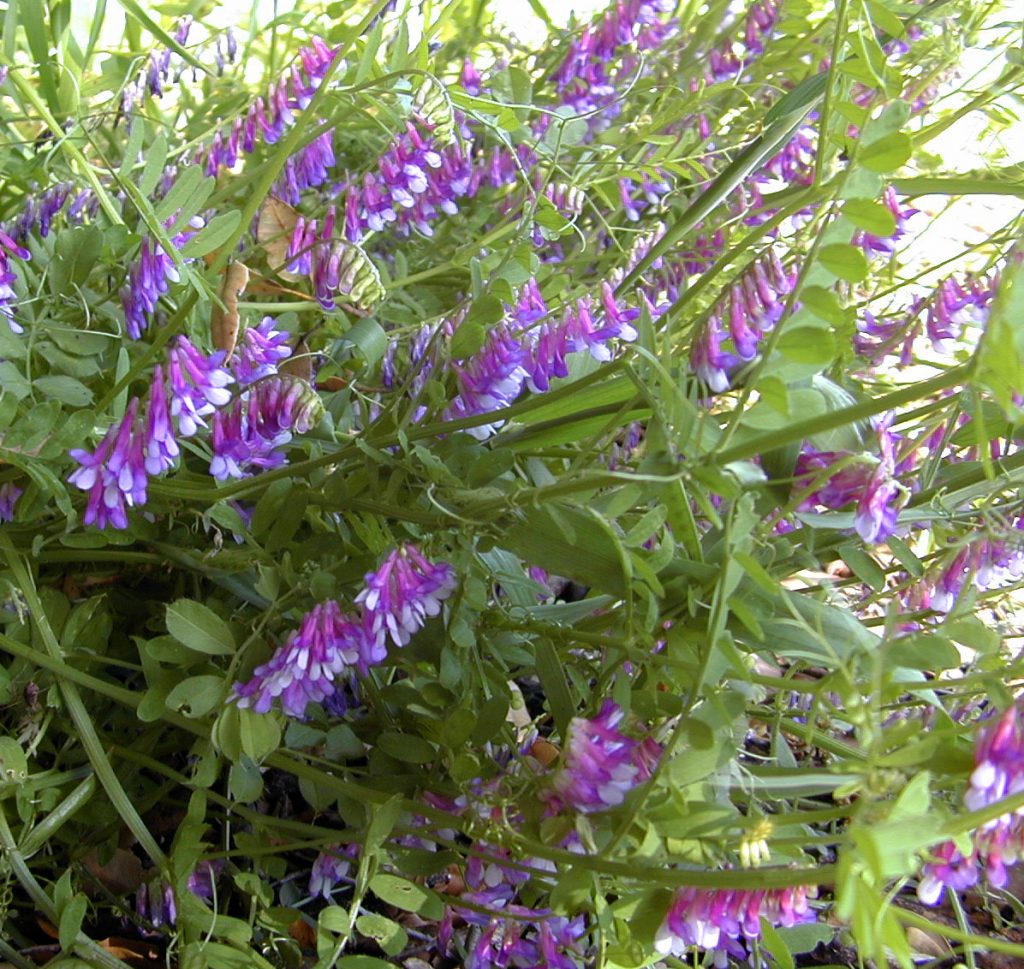
In an elegant study that is the first of its kind, scientists working at USDA’s Henry A Wallace Beltsville Agricultural Research Center used the tools of biotechnology to trace how plants respond to a common organic farming practice – the planting of crops in a hairy vetch (HV) mulch-based system.  The study compared the genetic response and health of tomato plants growing in a HV system to tomatoes grown with black plastic (BP) and typical chemical fertilizers and pesticide inputs.  The plants grown in the HV mulch-system grew longer and had delayed senescence (65 days in the BP system versus 84 with HV), expressed higher levels of several health-promoting proteins, and were more resistant to common foliar plant diseases (bacterial spot, early blight, Septoria leaf spot).  Disease symptoms were apparent in the BP plants from 65 days post-transplanting and grew worse steadily, but did not appear until 84 days after transplanting in the HV system and never became as severe.

The authors report “a distinct expression profile of gene transcripts and proteins…” that reflect changes in hormone signaling in the hairy vetch-grown plants.  The impacts of these changes are significant, resulting in “…efficient utilization and mobilization of N, higher photosynthetic rates and, thus, of carbon mobilization…and defense promotion.”  The HV plants had larger, healthier root systems, grew slower and longer and produced fruit and foliage more tolerant to disease pressure.

Source:  “An alternative agriculture system is defined by a distinct expression profile of select gene transcripts and proteins.”

Authors: Vinod Kumar, Douglas Mills, James Anderson, and Autar Mattoo,

Proceedings of the National Academy of Sciences, Early Edition, July 2004


Posted in GMOs, Organic | Tagged Soil Quality, Yield

Related Posts

FAQs re Biden-Harris Ag and EPA Transition Priorities→

Neonic Seed Treatments in the (Science) News→

This Monster Dose of Innovation is Reason for Hope→

Organic Farming May Reduce Food Safety Risk From E. coli, New Study Shows→

UK Soil Association and Dr. Benbrook Launch Monthly “Letter from America” Blog Series→

Embracing Change for Good Causes — Reflections on a Provocative IDDRI Report→

The Real Organic Project Features our Friends at Full Belly Farm in New Video→

New Climate Change Report Highlights Challenges Ahead for Ag→

©2016 Hygeia-Analytics.com. All Rights Reserved.

Menu