
Hygeia AnalyticsLogo

Menu

Skip to content
  • Home
  • About Hygeia
    Analytics
    • Dynamic Presentations
    • Keywords and Site Map
    • Hygeia Analytics – Who We Are
    • Why Hygeia?
    • Funding and “Sound Science”
    • Acronyms and Glossary
    • Sign-Up for Updates
  • Nutrition
    • Introduction and Nutrition 101
      • Good Fat Bad Fat
      • Fatty Acids
        • Primer on the Fatty Acids in Milk
      • Impact of Livestock Feeding
    • Antioxidants
      • Organic Farming Elevates Antioxidants
      • Maximizing Antioxidant Intake
    • Organic vs. Conventional Foods
      • Milk and Dairy Products
        • 2018 Grassmilk Paper
        • PLOS ONE Study
        • Dairy Meta-Analysis
      • Multi Food Meta-Analyses
        • Meat Products
        • Plant-Based Foods
        • Smith-Spangler et al.
        • Dangour et al.
        • The Organic Center Report
      • Food Specific Comparisons
        • General
        • Fruits and Vegetables
        • Wine and Wine Grapes
    • Considering Nutritional Quality
      • Impact of Genetics and Production Systems
      • New Tool for Food Security
      • Transforming Jane Doe’s Diet
      • Nutritional Quality Index
    • Nutrient Decline
    • Other Choices and Challenges
      • Human Health
      • Dietary Choices
  • Pesticides
    • Usage
      • Pesticide Use Data Sources
        • Pesticide Use Indicators
      • PUDS – The Pesticide Use Data System
    • Dietary Risks
      • The Dietary Risk Index (DRI)
    • Risk Assessment and Regulation
      • Food Quality Protection Act (FQPA)
      • Glyphosate/Roundup Case Study
      • The Lowdown on Roundup
      • Does Glyphosate/Roundup Cause Cancer?
      • 2019 Glyphosate Genotoxicity Paper
    • Impacts of GE on Pesticide Use
    • Environmental, Human Health, and Other Impacts of Pesticides
  • Ag Biotech
    • Key Historical Documents – Donald Duvick
    • Key Historical Documents – Arpad Pusztai
    • Herbicide Resistant Crops
    • Weed Resistance
    • Bt Transgenic Crops
    • Resistant Insects
    • Health Risks and Safety Assessments
    • Regulation of GE Crop Technology
    • Marketing, Economics, and Public Relations
    • Patenting and Intellectual Property Issues
    • Labeling
  • Other Issues
    • Animal Products
    • The Future of Food
    • Global Food Security
    • Natural Resources and Climate Change
    • Alternatives to Industrial Ag
    • Policy and Politics
    • Scientific Integrity
    • Soil Health
    • Yields
  • Recent Posts
    • Hot Science
    • In The News
    • Hygeia’s Blog
  • Special
    Coverage
    • Organic Apples in Washington State
    • Dicamba Drift Crisis
    • Organic Food Consumption Lowers Cancer Risk
    • Organic Integrity

Washington Oyster Farmers Let Go of Bid to Use Imidacloprid on Tidelands

Posted on October 23, 2019 in Environmental Impacts, In The News, Pesticides | 166 Views

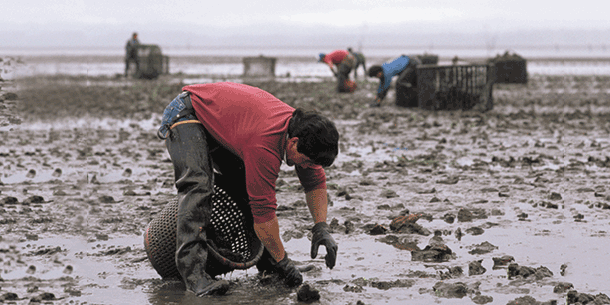
The Seattle Times reported this week that oyster growers in southwestern Washington state have given up their years-long quest for permits to spray imidacloprid insecticides on their shellfish farms.

This story has been brewing along the coastal mudflats of Gray’s Harbor and Willapa Bay, which are about three hours from Seattle.  Shellfish farmers, some of which operate family farms that have been harvesting shellfish out of these shallow bays for decades, were struggling with a native species of burrowing shrimp that interferes with oyster farming (the oysters, by the way, are non-native varieties from Asia).  The shrimp burrow down into the mud, softening it so that farmed oysters sink and suffocate.

To control the shrimp, shellfish farmers turned to insecticides.  In 1963 they started using the neurotoxin carbaryl, applied at rates up to 8 times what farmers on land used. But, the state Department of Ecology (DOE) banned carbaryl use in the early 2000s after concerns over it’s safety arose, and the industry turned to imidacloprid as an alternative.

Their initial permit was filed in 2015, first approved, and then rescinded after a public outcry.  The growers even got some state legislators to introduce legislation to allow them to go rogue and skip any scientific review or environmental assessment requirements.  The bill went nowhere, as did the additional applications and appeals that followed.  But, this month the shellfish growers officially agree to close the case on imidacloprid.

But, what door will be opened instead? The settlement between Washington DOE and the oyster growers includes funding to support the search for alternatives, including other chemical treatments. The state will also conduct dye tests to better understand how chemicals like insecticides move through the water.

Source:

Hal Bernton, “Oyster growers agree to abandon quest to use controversial insecticide in Southwest Washington tidelands,” Seattle Times, Date Posted: October 21, 2019, Date Accessed: 10/23/2019.

Posted in Environmental Impacts, In The News, Pesticides | Tagged Neonicotinoids, Policy and Politics

Related Posts

FAQs re Biden-Harris Ag and EPA Transition Priorities→

Implications of EPA’s Decision to Renew Dicamba Registration for Over-the-Top Use→

Neonic Seed Treatments in the (Science) News→

Dr. Benbrook Testifies Before the Philadelphia City Council as they Consider Glyphosate Ban→

Guest Blog: The Big Meat Gang Is Getting Awfully Smelly→

Why Promoting Organic Integrity Must Become a Top Priority for USDA→

Guest Blog: Finding the Root Cause of Organic Fraud→

So What About the Integrity of the U.S. Organic Grain Supply?→

©2016 Hygeia-Analytics.com. All Rights Reserved.

Menu