
Hygeia AnalyticsLogo

Menu

Skip to content
  • Home
  • About Hygeia
    Analytics
    • Dynamic Presentations
    • Keywords and Site Map
    • Hygeia Analytics – Who We Are
    • Why Hygeia?
    • Funding and “Sound Science”
    • Acronyms and Glossary
    • Sign-Up for Updates
  • Nutrition
    • Introduction and Nutrition 101
      • Good Fat Bad Fat
      • Fatty Acids
        • Primer on the Fatty Acids in Milk
      • Impact of Livestock Feeding
    • Antioxidants
      • Organic Farming Elevates Antioxidants
      • Maximizing Antioxidant Intake
    • Organic vs. Conventional Foods
      • Milk and Dairy Products
        • 2018 Grassmilk Paper
        • PLOS ONE Study
        • Dairy Meta-Analysis
      • Multi Food Meta-Analyses
        • Meat Products
        • Plant-Based Foods
        • Smith-Spangler et al.
        • Dangour et al.
        • The Organic Center Report
      • Food Specific Comparisons
        • General
        • Fruits and Vegetables
        • Wine and Wine Grapes
    • Considering Nutritional Quality
      • Impact of Genetics and Production Systems
      • New Tool for Food Security
      • Transforming Jane Doe’s Diet
      • Nutritional Quality Index
    • Nutrient Decline
    • Other Choices and Challenges
      • Human Health
      • Dietary Choices
  • Pesticides
    • Usage
      • Pesticide Use Data Sources
        • Pesticide Use Indicators
      • PUDS – The Pesticide Use Data System
    • Dietary Risks
      • The Dietary Risk Index (DRI)
    • Risk Assessment and Regulation
      • Food Quality Protection Act (FQPA)
      • Glyphosate/Roundup Case Study
      • The Lowdown on Roundup
      • Does Glyphosate/Roundup Cause Cancer?
      • 2019 Glyphosate Genotoxicity Paper
    • Impacts of GE on Pesticide Use
    • Environmental, Human Health, and Other Impacts of Pesticides
  • Ag Biotech
    • Key Historical Documents – Donald Duvick
    • Key Historical Documents – Arpad Pusztai
    • Herbicide Resistant Crops
    • Weed Resistance
    • Bt Transgenic Crops
    • Resistant Insects
    • Health Risks and Safety Assessments
    • Regulation of GE Crop Technology
    • Marketing, Economics, and Public Relations
    • Patenting and Intellectual Property Issues
    • Labeling
  • Other Issues
    • Animal Products
    • The Future of Food
    • Global Food Security
    • Natural Resources and Climate Change
    • Alternatives to Industrial Ag
    • Policy and Politics
    • Scientific Integrity
    • Soil Health
    • Yields
  • Recent Posts
    • Hot Science
    • In The News
    • Hygeia’s Blog
  • Special
    Coverage
    • Organic Apples in Washington State
    • Dicamba Drift Crisis
    • Organic Food Consumption Lowers Cancer Risk
    • Organic Integrity

John Vidal asks: “Who should feed the world: real people or faceless multinationals?”

Posted on June 5, 2018 in Environmental Impacts, Food Security, In The News | 160 Views

John Vidal, the former Environmental Editor at The Guardian, has written a compelling piece about the $66 billion takeover of the world’s largest seed company- Monsanto – by the second largest pesticide company, Bayer.

Vidal reports that the huge deal, set to be approved June 7, 2018, “has been called both a ‘marriage made in hell’ and ‘an important development for food security.’”

The new mega-company, which Bayer just announced would stop using the controversial Monsanto name, will control “nearly 60% of the world’s supply of proprietary seeds, 70% of the chemicals and pesticides used to grow food, and most of the world’s GM crop genetic traits.”  And, they will have a huge influence in the way farmers around the world grow their food.

In his piece, Vidal contrasts the vision for modern agriculture that Bayer-Monsanto represents, a highly-consolidated marketplace dependent on biotech innovations and expensive (and proprietary) high-tech seeds and pesticides, with the traditional model of a patchwork of diversified, low-tech but resilient small farms.

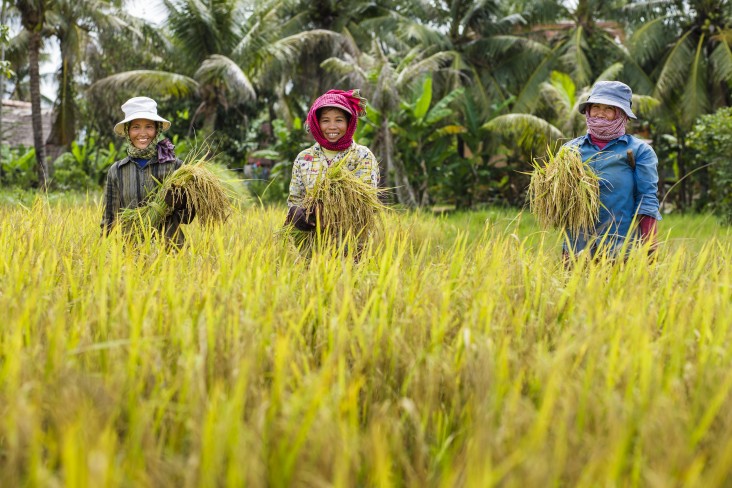
Small farmers support a diverse array of food crops and “rich food cultures,” like the Indian plant researcher featured in Vidal’s story who is cultivating over 1,300 types of traditional rice, which he than gives to other farmers to grow, further select from and improve, and share.

These sorts of “open-source” seed banks, reported on before on Hygeia, are a stark contrast to the Bayer-Monsanto model, where seeds are patented and farmers are not allowed to save seed for planting next year, and in fact will be prosecuted if they do so.

Vidal claims that after 20+ years of high-tech agriculture, farmers are running out of “agri-optimism.”

“Yields of most staple crops have barely increased in years, seeds and herbicides are becoming more expensive, and the promised health, safety and nutritional benefits of new industrial crops have failed to materialise.”

Instead, small farmers around the world are turning to sustainable and ecologically-grounded farm systems to increase yields and total food production of a given piece of land, and are using innovative marketing strategies to “avoid the new corporate monopolies.”

Vidal presents some interesting examples of how traditional knowledge from farmers around the world could contribute to “modern” agriculture.

Let’s hope they can keep progress moving forward once the Bayer-Monsanto acquisition is finalized and the new mega-company starts to flex its muscles. See “Bayer Announces Plans to Shed the Monsanto Name — But Will the New Bayer Differ from the Old Monsanto?” for more on how to tell whether the new Bayer will support sustainable ag systems, or just become Monsanto on steroids.

Source:

John Vidal, “Who should feed the world: real people or faceless multinationals?,” The Guardian, June 5, 2018.

Posted in Environmental Impacts, Food Security, In The News | Tagged Economics

Related Posts

This Monster Dose of Innovation is Reason for Hope→

Cargill Announcement: Just Say No to Glufosinate-Desiccated Lentils from Canada→

UK Soil Association and Dr. Benbrook Launch Monthly “Letter from America” Blog Series→

New Study: Europe Can Feed Itself Without Pesticides and Fertilizers→

A Trio of New Dicamba Stories — Our Take on the Ongoing Drift Crisis→

Dicamba-Resistant Xtend Soybean Sales Continue to Rise as Farmers Fear Drifting Dicamba is Coming for Their Crops→

Two New Reports Tackle Global Food Sustainability→

Science Points to “New” Way to Combat Climate Change→

©2016 Hygeia-Analytics.com. All Rights Reserved.

Menu