
Hygeia AnalyticsLogo

Menu

Skip to content
  • Home
  • About Hygeia
    Analytics
    • Dynamic Presentations
    • Keywords and Site Map
    • Hygeia Analytics – Who We Are
    • Why Hygeia?
    • Funding and “Sound Science”
    • Acronyms and Glossary
    • Sign-Up for Updates
  • Nutrition
    • Introduction and Nutrition 101
      • Good Fat Bad Fat
      • Fatty Acids
        • Primer on the Fatty Acids in Milk
      • Impact of Livestock Feeding
    • Antioxidants
      • Organic Farming Elevates Antioxidants
      • Maximizing Antioxidant Intake
    • Organic vs. Conventional Foods
      • Milk and Dairy Products
        • 2018 Grassmilk Paper
        • PLOS ONE Study
        • Dairy Meta-Analysis
      • Multi Food Meta-Analyses
        • Meat Products
        • Plant-Based Foods
        • Smith-Spangler et al.
        • Dangour et al.
        • The Organic Center Report
      • Food Specific Comparisons
        • General
        • Fruits and Vegetables
        • Wine and Wine Grapes
    • Considering Nutritional Quality
      • Impact of Genetics and Production Systems
      • New Tool for Food Security
      • Transforming Jane Doe’s Diet
      • Nutritional Quality Index
    • Nutrient Decline
    • Other Choices and Challenges
      • Human Health
      • Dietary Choices
  • Pesticides
    • Usage
      • Pesticide Use Data Sources
        • Pesticide Use Indicators
      • PUDS – The Pesticide Use Data System
    • Dietary Risks
      • The Dietary Risk Index (DRI)
    • Risk Assessment and Regulation
      • Food Quality Protection Act (FQPA)
      • Glyphosate/Roundup Case Study
      • The Lowdown on Roundup
      • Does Glyphosate/Roundup Cause Cancer?
      • 2019 Glyphosate Genotoxicity Paper
    • Impacts of GE on Pesticide Use
    • Environmental, Human Health, and Other Impacts of Pesticides
  • Ag Biotech
    • Key Historical Documents – Donald Duvick
    • Key Historical Documents – Arpad Pusztai
    • Herbicide Resistant Crops
    • Weed Resistance
    • Bt Transgenic Crops
    • Resistant Insects
    • Health Risks and Safety Assessments
    • Regulation of GE Crop Technology
    • Marketing, Economics, and Public Relations
    • Patenting and Intellectual Property Issues
    • Labeling
  • Other Issues
    • Animal Products
    • The Future of Food
    • Global Food Security
    • Natural Resources and Climate Change
    • Alternatives to Industrial Ag
    • Policy and Politics
    • Scientific Integrity
    • Soil Health
    • Yields
  • Recent Posts
    • Hot Science
    • In The News
    • Hygeia’s Blog
  • Special
    Coverage
    • Organic Apples in Washington State
    • Dicamba Drift Crisis
    • Organic Food Consumption Lowers Cancer Risk
    • Organic Integrity

Bucking a Trend: The Open Source Seed Initiative

Posted on December 30, 2016 in Food Security, Hygeia's Blog | 172 Views

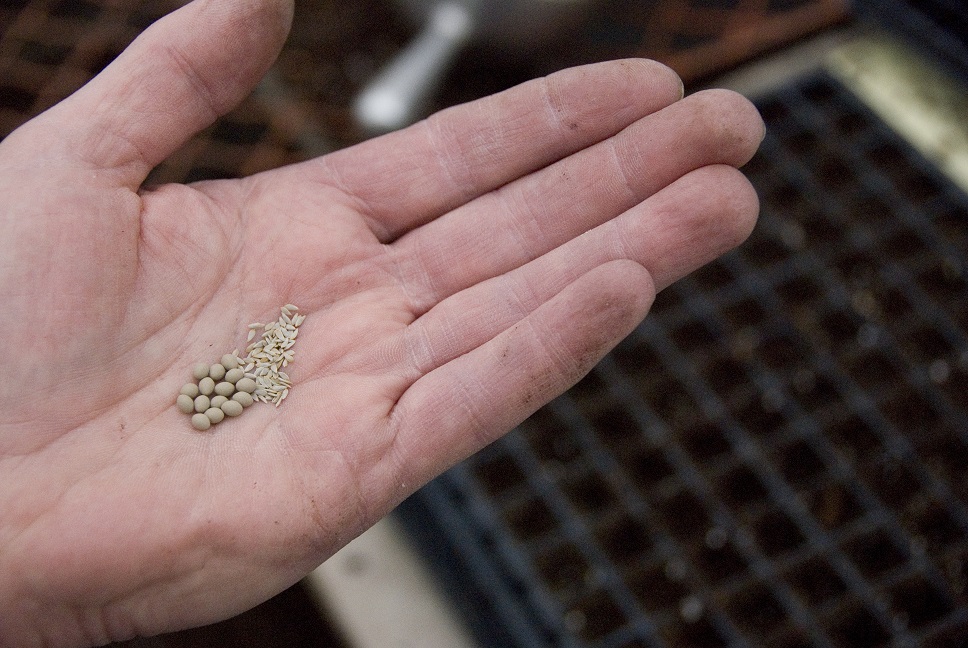
Talk about swimming upstream, but overall feeling so glad that open-source seed initiatives are springing up around the world.

This in-depth story explains why the trend toward patenting seeds and traits locks farmers and amateur breeders out of the process of incrementally improving crop genetics. Big mistake, unless you trust the biotech-seed companies to deploy their plant breeding skills and investment capital to produce better tasting, healthier and more resilient fruits, veggies, and grains, rather than maximizing their sales and profits via higher prices for GE seeds and additional income from the pesticides necessary to take advantage of the traits delivered via “modern biotechnology.”

As the story describes, plant breeders are challenged by numerous restrictions due to patenting of not only specific types of plants, but specific traits such as the curliness or color of a lettuce leaf.   This makes it very hard to breed a new variety, since it forces breeders to be extra careful not to affect traits that are protected by intellectual property rights.

Borrowing from the tech world, enterprising breeders are trying to make their job easier by promoting the Open Source Seed Initiative, whereby growers pledge that the seeds they create will remain available to others for perpetuity.  Many sustainable ag advocates hope that diverse, local seed sources promoted through this initiative will have a critical role to play in Global Food Security.

Source:

“How ‘Open Source’ Seed Producers from the U.S. to India Are Changing Global Good Production,” Rachel Cernansky, Ensia, December 12, 2016.

Posted in Food Security, Hygeia's Blog | Tagged Policy and Politics, Seeds

Related Posts

FAQs re Biden-Harris Ag and EPA Transition Priorities→

Implications of EPA’s Decision to Renew Dicamba Registration for Over-the-Top Use→

Neonic Seed Treatments in the (Science) News→

Dr. Benbrook Testifies Before the Philadelphia City Council as they Consider Glyphosate Ban→

Guest Blog: The Big Meat Gang Is Getting Awfully Smelly→

Why Promoting Organic Integrity Must Become a Top Priority for USDA→

Guest Blog: Finding the Root Cause of Organic Fraud→

So What About the Integrity of the U.S. Organic Grain Supply?→

©2016 Hygeia-Analytics.com. All Rights Reserved.

Menu