
Hygeia AnalyticsLogo

Menu

Skip to content
  • Home
  • About Hygeia
    Analytics
    • Dynamic Presentations
    • Keywords and Site Map
    • Hygeia Analytics – Who We Are
    • Why Hygeia?
    • Funding and “Sound Science”
    • Acronyms and Glossary
    • Sign-Up for Updates
  • Nutrition
    • Introduction and Nutrition 101
      • Good Fat Bad Fat
      • Fatty Acids
        • Primer on the Fatty Acids in Milk
      • Impact of Livestock Feeding
    • Antioxidants
      • Organic Farming Elevates Antioxidants
      • Maximizing Antioxidant Intake
    • Organic vs. Conventional Foods
      • Milk and Dairy Products
        • 2018 Grassmilk Paper
        • PLOS ONE Study
        • Dairy Meta-Analysis
      • Multi Food Meta-Analyses
        • Meat Products
        • Plant-Based Foods
        • Smith-Spangler et al.
        • Dangour et al.
        • The Organic Center Report
      • Food Specific Comparisons
        • General
        • Fruits and Vegetables
        • Wine and Wine Grapes
    • Considering Nutritional Quality
      • Impact of Genetics and Production Systems
      • New Tool for Food Security
      • Transforming Jane Doe’s Diet
      • Nutritional Quality Index
    • Nutrient Decline
    • Other Choices and Challenges
      • Human Health
      • Dietary Choices
  • Pesticides
    • Usage
      • Pesticide Use Data Sources
        • Pesticide Use Indicators
      • PUDS – The Pesticide Use Data System
    • Dietary Risks
      • The Dietary Risk Index (DRI)
    • Risk Assessment and Regulation
      • Food Quality Protection Act (FQPA)
      • Glyphosate/Roundup Case Study
      • The Lowdown on Roundup
      • Does Glyphosate/Roundup Cause Cancer?
      • 2019 Glyphosate Genotoxicity Paper
    • Impacts of GE on Pesticide Use
    • Environmental, Human Health, and Other Impacts of Pesticides
  • Ag Biotech
    • Key Historical Documents – Donald Duvick
    • Key Historical Documents – Arpad Pusztai
    • Herbicide Resistant Crops
    • Weed Resistance
    • Bt Transgenic Crops
    • Resistant Insects
    • Health Risks and Safety Assessments
    • Regulation of GE Crop Technology
    • Marketing, Economics, and Public Relations
    • Patenting and Intellectual Property Issues
    • Labeling
  • Other Issues
    • Animal Products
    • The Future of Food
    • Global Food Security
    • Natural Resources and Climate Change
    • Alternatives to Industrial Ag
    • Policy and Politics
    • Scientific Integrity
    • Soil Health
    • Yields
  • Recent Posts
    • Hot Science
    • In The News
    • Hygeia’s Blog
  • Special
    Coverage
    • Organic Apples in Washington State
    • Dicamba Drift Crisis
    • Organic Food Consumption Lowers Cancer Risk
    • Organic Integrity

UW Extension Releases Nifty Seed Treatment Guide

Posted on April 16, 2020 in In The News, Pesticides | 203 Views

Just a quick note to share a handy new resource put out by the University of Wisconsin’s Extension Office.

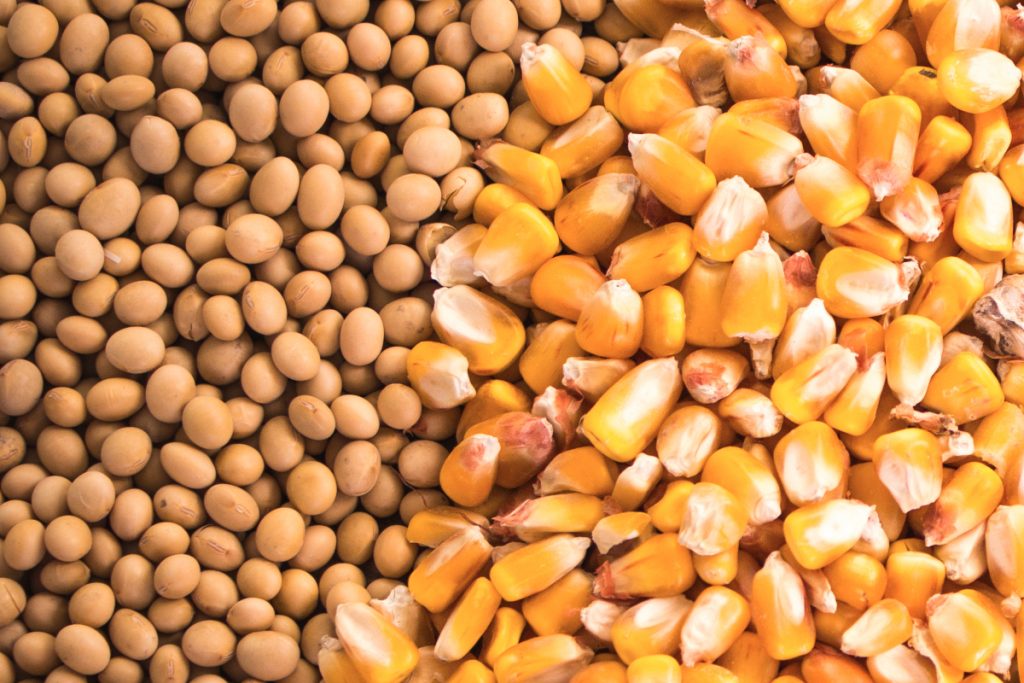
“What’s on your seed?” is a one page guide to the many different types of seed treatments used on corn and soybean crops these days. Seed treatments are organized by active ingredient and treatment type (fungicide, insecticide, nematicide, or plant growth regulator).

When you see them all together they make for pretty long list! Not surprising given that the majority of corn and soybean seed in the U.S. is coated with pesticides.

Source:

Paul Esker and Richard Proost, “What’s on your seed?,” University of Wisconsin Extension, 2020, Date Accessed: 04/16/20.

Posted in In The News, Pesticides | Tagged Neonicotinoids

Related Posts

Neonic Seed Treatments in the (Science) News→

Early-Life Insecticide Exposure Compromises Brain Development in Bees→

Washington Oyster Farmers Let Go of Bid to Use Imidacloprid on Tidelands→

Growing Evidence Tracks the Spread of Neonics Up and Through Branches on the Tree of Life→

Prenatal and Early-Life Pesticide Exposures Associated with Increased Autism Risk and Severity→

Neonic Insecticides and Metabolites ID’d in IA Tap Water, May Become More Toxic from Water Purification Process→

Research Team Documents Key Behavioral Changes in Bumblebees Exposed to Neonic Imidacloprid Using Robot-Guided Camera System→

Dow Seeks Expansion for Neonic Replacement Sulfoxaflor, Despite EPA Classification of “Very Highly Toxic”→

©2016 Hygeia-Analytics.com. All Rights Reserved.

Menu