
Hygeia AnalyticsLogo

Menu

Skip to content
  • Home
  • About Hygeia
    Analytics
    • Dynamic Presentations
    • Keywords and Site Map
    • Hygeia Analytics – Who We Are
    • Why Hygeia?
    • Funding and “Sound Science”
    • Acronyms and Glossary
    • Sign-Up for Updates
  • Nutrition
    • Introduction and Nutrition 101
      • Good Fat Bad Fat
      • Fatty Acids
        • Primer on the Fatty Acids in Milk
      • Impact of Livestock Feeding
    • Antioxidants
      • Organic Farming Elevates Antioxidants
      • Maximizing Antioxidant Intake
    • Organic vs. Conventional Foods
      • Milk and Dairy Products
        • 2018 Grassmilk Paper
        • PLOS ONE Study
        • Dairy Meta-Analysis
      • Multi Food Meta-Analyses
        • Meat Products
        • Plant-Based Foods
        • Smith-Spangler et al.
        • Dangour et al.
        • The Organic Center Report
      • Food Specific Comparisons
        • General
        • Fruits and Vegetables
        • Wine and Wine Grapes
    • Considering Nutritional Quality
      • Impact of Genetics and Production Systems
      • New Tool for Food Security
      • Transforming Jane Doe’s Diet
      • Nutritional Quality Index
    • Nutrient Decline
    • Other Choices and Challenges
      • Human Health
      • Dietary Choices
  • Pesticides
    • Usage
      • Pesticide Use Data Sources
        • Pesticide Use Indicators
      • PUDS – The Pesticide Use Data System
    • Dietary Risks
      • The Dietary Risk Index (DRI)
    • Risk Assessment and Regulation
      • Food Quality Protection Act (FQPA)
      • Glyphosate/Roundup Case Study
      • The Lowdown on Roundup
      • Does Glyphosate/Roundup Cause Cancer?
      • 2019 Glyphosate Genotoxicity Paper
    • Impacts of GE on Pesticide Use
    • Environmental, Human Health, and Other Impacts of Pesticides
  • Ag Biotech
    • Key Historical Documents – Donald Duvick
    • Key Historical Documents – Arpad Pusztai
    • Herbicide Resistant Crops
    • Weed Resistance
    • Bt Transgenic Crops
    • Resistant Insects
    • Health Risks and Safety Assessments
    • Regulation of GE Crop Technology
    • Marketing, Economics, and Public Relations
    • Patenting and Intellectual Property Issues
    • Labeling
  • Other Issues
    • Animal Products
    • The Future of Food
    • Global Food Security
    • Natural Resources and Climate Change
    • Alternatives to Industrial Ag
    • Policy and Politics
    • Scientific Integrity
    • Soil Health
    • Yields
  • Recent Posts
    • Hot Science
    • In The News
    • Hygeia’s Blog
  • Special
    Coverage
    • Organic Apples in Washington State
    • Dicamba Drift Crisis
    • Organic Food Consumption Lowers Cancer Risk
    • Organic Integrity

More Evidence that Herbicides Impact the Gut Microbiome, This Time It’s 2,4-D in Mice

Posted on March 28, 2019 in Hot Science, Pesticides | 593 Views

Another paper was just published in the peer-reviewed journal Scientific Reports that identified “microbiome perturbation” following “occupationally relevant” doses of an herbicide (Tu et al., 2019).

We have reported before that glyphosate was shown to impact the gut microbiome in honeybees, but this time it was the herbicide 2,4-D administered to laboratory mice.  An auxin herbicide, 2,4-D has been used for over 70 years, and is known to be absorbed and eliminated quickly when ingested, and breaks down quickly in water. Given the relatively low environmental levels of 2,4-D, human exposure is most likely to occur in herbicide applicators or by contact with recently treated vegetation.

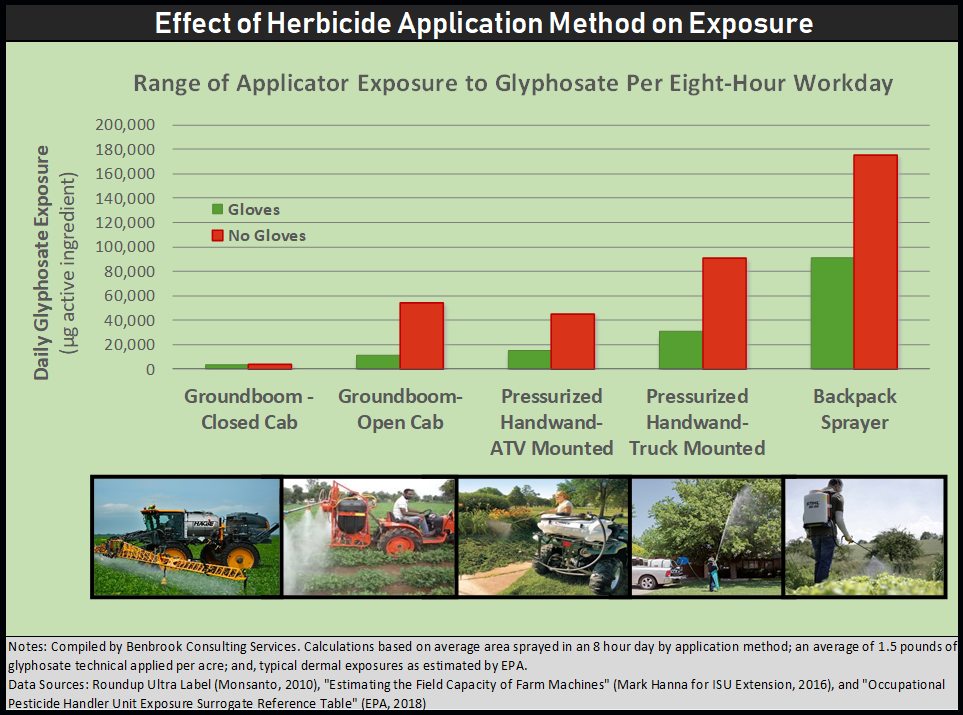
The EPA has established an Acceptable Daily Intake, or ADI, of 0.01 mg/kg body weight for 2,4-D.  But, one study cited by the authors of this paper estimated an occupational exposure of up to 20 mg per day in turf applicators, who apply 2,4-D regularly.  Another example of why it is so important to consider different types of herbicide exposure, since the amount of chemical a person is exposed to can vary greatly depending on what types of protective gear is used, or what equipment it is sprayed with.
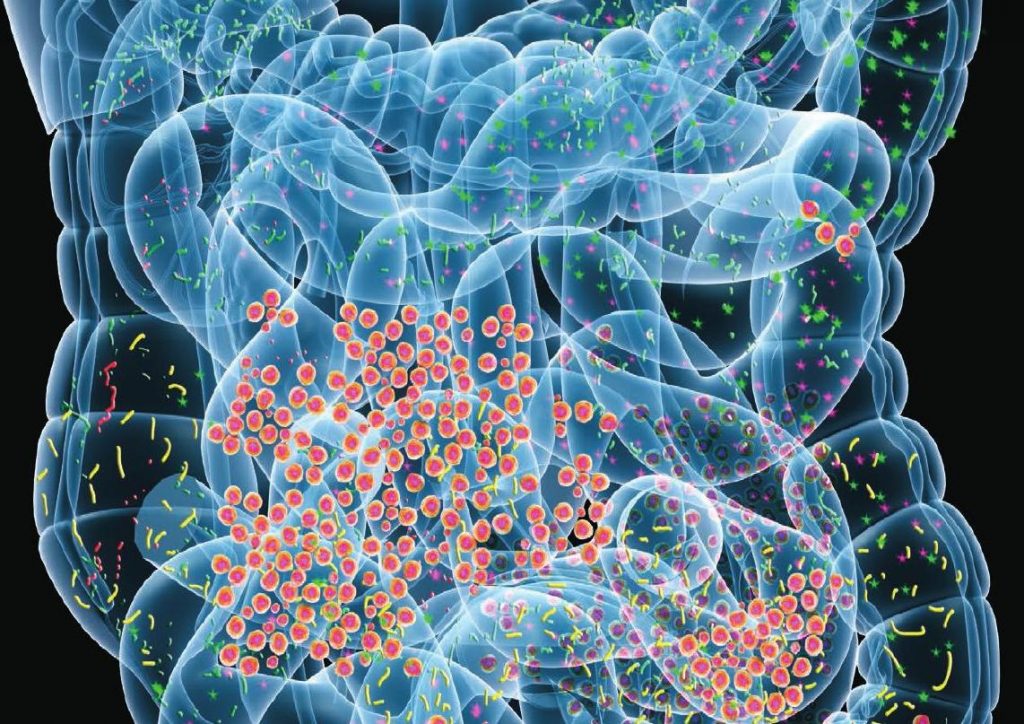
In this study, which was conducted by researchers at the University of North Carolina and the University of Georgia,  mice were dosed with just 1 ppm of 2,4-D per day in their water, which is approximately 60 times lower that the NOAEL for this herbicide (Tu et al., 2019). (Remember NOAEL stands for no-observed-adverse-effect-level and is an important toxicity data point used to set the ADI, the cRfC, and residue tolerances.  See our Risk Assessment and Regulation section for more.)

Even at this low dose, the team observed “strong toxic effects,” indicating that 2,4-D could cause problems at far lower doses than previously studied.

The mice in this experiment received daily exposure to 2,4-D laced water for 13 weeks.  The research team collected feces samples at several time points in the experiment, and plasma samples were taken during necropsy at week 13.  These biological samples revealed that mice exposed to chronic, low-dose 2,4-D differed from control animals in the following ways:

  • Reduced species richness and composition of gut microbiota.
  • Altered functionality of the gut microbiome as demonstrated by differences in the microbial metabolic pathways
  • Metabolic pathways impacted are involved in “urea degradation, amino acid metabolism, and carbohydrate utilization” (Tu et al., 2019)

2,4-D exposures are likely to be on the rise with the development of next-generation herbicides with multiple active ingredients.

To put it simply, 2,4-D exposure significantly altered the structure and function of the gut microbiome of mice.

The authors point out that a “disturbed gut-host homeostasis” like what they observed following 2,4-D exposure has important implications for overall health, and is even considered to increase overall risk of disease (Tu et al., 2019).

These microscopic residents of mouse guts (and to be clear, humans have the same kind of dynamic happening in our bellies) play an important role in digestion and disease prevention.  Changes in the microbiome have shown to impact how quickly colorectal cancer progresses, and are associated with chronic kidney disease.  There may even be a link between the gut microbiome and the current epidemic of gluten intolerance, although the science is still out on that one.

So, if it turns out that herbicide exposure, especially at realistic, low-does levels like in this experiment, can mess up our microbes, serious consequences may ensue.

Source:

Tu, P., Gao, B., Chi, L., Lai, Y., Bian, X., Ru, H., & Lu, K. (2019). “Subchronic low-dose 2,4-D exposure changed plasma acylcarnitine levels and induced gut microbiome perturbations in mice.” Scientific Reports, 9(1), 4363. DOI: 10.1038/s41598-019-40776-3.

Posted in Hot Science, Pesticides | Tagged 24D, GE Impacts, Human Health, Pesticide Impacts

Related Posts

Will This 9th Circuit Order Finally Get Chlorpyrifos Out of the Food Supply?→

Research Links Childhood Stress to the Microbiome in Pregnancy, and Suggests Protective Role of Omega-3 Fatty Acids→

FAQs re Biden-Harris Ag and EPA Transition Priorities→

Implications of EPA’s Decision to Renew Dicamba Registration for Over-the-Top Use→

Neonic Seed Treatments in the (Science) News→

Dr. Benbrook Testifies Before the Philadelphia City Council as they Consider Glyphosate Ban→

Guest Blog: The Big Meat Gang Is Getting Awfully Smelly→

Consumer Reports Takes on Reducing Pesticide Dietary Risks→

©2016 Hygeia-Analytics.com. All Rights Reserved.

Menu