
Hygeia AnalyticsLogo

Menu

Skip to content
  • Home
  • About Hygeia
    Analytics
    • Dynamic Presentations
    • Keywords and Site Map
    • Hygeia Analytics – Who We Are
    • Why Hygeia?
    • Funding and “Sound Science”
    • Acronyms and Glossary
    • Sign-Up for Updates
  • Nutrition
    • Introduction and Nutrition 101
      • Good Fat Bad Fat
      • Fatty Acids
        • Primer on the Fatty Acids in Milk
      • Impact of Livestock Feeding
    • Antioxidants
      • Organic Farming Elevates Antioxidants
      • Maximizing Antioxidant Intake
    • Organic vs. Conventional Foods
      • Milk and Dairy Products
        • 2018 Grassmilk Paper
        • PLOS ONE Study
        • Dairy Meta-Analysis
      • Multi Food Meta-Analyses
        • Meat Products
        • Plant-Based Foods
        • Smith-Spangler et al.
        • Dangour et al.
        • The Organic Center Report
      • Food Specific Comparisons
        • General
        • Fruits and Vegetables
        • Wine and Wine Grapes
    • Considering Nutritional Quality
      • Impact of Genetics and Production Systems
      • New Tool for Food Security
      • Transforming Jane Doe’s Diet
      • Nutritional Quality Index
    • Nutrient Decline
    • Other Choices and Challenges
      • Human Health
      • Dietary Choices
  • Pesticides
    • Usage
      • Pesticide Use Data Sources
        • Pesticide Use Indicators
      • PUDS – The Pesticide Use Data System
    • Dietary Risks
      • The Dietary Risk Index (DRI)
    • Risk Assessment and Regulation
      • Food Quality Protection Act (FQPA)
      • Glyphosate/Roundup Case Study
      • The Lowdown on Roundup
      • Does Glyphosate/Roundup Cause Cancer?
      • 2019 Glyphosate Genotoxicity Paper
    • Impacts of GE on Pesticide Use
    • Environmental, Human Health, and Other Impacts of Pesticides
  • Ag Biotech
    • Key Historical Documents – Donald Duvick
    • Key Historical Documents – Arpad Pusztai
    • Herbicide Resistant Crops
    • Weed Resistance
    • Bt Transgenic Crops
    • Resistant Insects
    • Health Risks and Safety Assessments
    • Regulation of GE Crop Technology
    • Marketing, Economics, and Public Relations
    • Patenting and Intellectual Property Issues
    • Labeling
  • Other Issues
    • Animal Products
    • The Future of Food
    • Global Food Security
    • Natural Resources and Climate Change
    • Alternatives to Industrial Ag
    • Policy and Politics
    • Scientific Integrity
    • Soil Health
    • Yields
  • Recent Posts
    • Hot Science
    • In The News
    • Hygeia’s Blog
  • Special
    Coverage
    • Organic Apples in Washington State
    • Dicamba Drift Crisis
    • Organic Food Consumption Lowers Cancer Risk
    • Organic Integrity

Emergency Dicamba Ban Proposed in Arkansas After Crop Damage from Drift Sparks Conflict

Posted on June 26, 2017 in In The News, Pesticides | 365 Views

A vote last week by the Arkansas Plant Board to impose an emergency ban on spraying dicamba herbicide is hot news in both the mainstream media and the ag community.   Dicamba  is used to battle the herbicide-resistant Palmer amaranth that plagues farmers in Arkansas, and the recent introduction of BASF’s Engenia brand dicamba herbicide, sold for use on dicamba-resistant soybeans, has allowed post-emergent applications of dicamba on soybean fields.

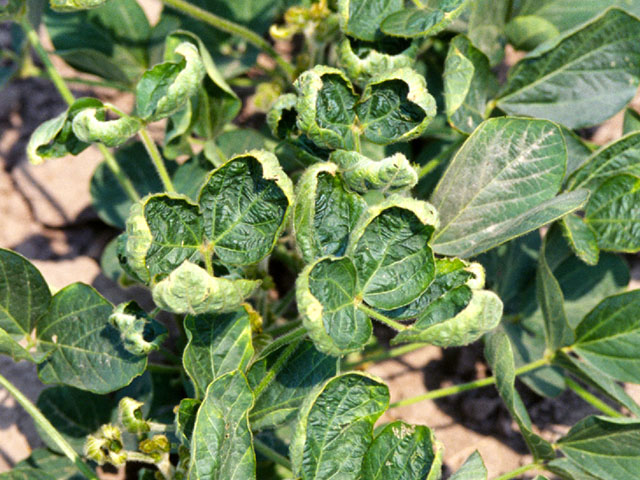
However, dicamba is prone to herbicide drift, volatilization and movement with the wind. Farms near those planting the resistant soybeans are sometimes paying the price — damaged crops, such as the wilted soybeans shown in the photo above.   As of late last week, state regulators have received over 240 complaints, with more rolling in each day, from farmers who believe their crops have been impacted.

Collateral damage to neighboring crops has caused conflict between farmers, pitting those who chose to invest in the new GE-technology against those farmers not buying the new GE soybean seed.  Arkansas, as an early adopter of the new dicamba-resistant technology, has had more problems with dicamba drift than most states, but issues are cropping up elsewhere as well.  An AgWeb article also published this week cites 27 recent complaints of damage due to dicamba drift in Tennessee, suggesting this problem is not going away.

Is history going to repeat itself in Arkansas?  The uproar uproar over Monsanto’s Xtendimax dicamba-resistant technology resulted in a similar ban in the state in January 2017.

The proposed dicamba ban now heads to the desk of Arkansas governor Asa Hutchinson for approval, stay tuned for more on this intense debate, including an upcoming Hygeia Analytics Blog.

Sources:

Chris Bennett, “Arkansas Dicamba Ban Passes, Heads to Governor’s Desk,” Farm Journal’s AgPro, published online June 26, 2017.

Chris Bennett, “Dicamba Drift Reports Rise in Tennessee,” Farm Journals AgWeb, published online June 26, 2017,

Dan Charles, “Arkansas Tries To Stop An Epidemic Of Herbicide Damage,” NPR, published online June 23, 2017.


Posted in In The News, Pesticides | Tagged Dicamba, GE Impacts, Herbicide Resistance, Policy and Politics

Related Posts

FAQs re Biden-Harris Ag and EPA Transition Priorities→

Implications of EPA’s Decision to Renew Dicamba Registration for Over-the-Top Use→

Dr. Benbrook Testifies Before the Philadelphia City Council as they Consider Glyphosate Ban→

Guest Blog: The Big Meat Gang Is Getting Awfully Smelly→

Why Promoting Organic Integrity Must Become a Top Priority for USDA→

Guest Blog: Finding the Root Cause of Organic Fraud→

So What About the Integrity of the U.S. Organic Grain Supply?→

Guest Blog: Organic Food & Pesticide Residues, One Grower’s Perspective→

©2016 Hygeia-Analytics.com. All Rights Reserved.

Menu