
Hygeia AnalyticsLogo

Menu

Skip to content
  • Home
  • About Hygeia
    Analytics
    • Dynamic Presentations
    • Keywords and Site Map
    • Hygeia Analytics – Who We Are
    • Why Hygeia?
    • Funding and “Sound Science”
    • Acronyms and Glossary
    • Sign-Up for Updates
  • Nutrition
    • Introduction and Nutrition 101
      • Good Fat Bad Fat
      • Fatty Acids
        • Primer on the Fatty Acids in Milk
      • Impact of Livestock Feeding
    • Antioxidants
      • Organic Farming Elevates Antioxidants
      • Maximizing Antioxidant Intake
    • Organic vs. Conventional Foods
      • Milk and Dairy Products
        • 2018 Grassmilk Paper
        • PLOS ONE Study
        • Dairy Meta-Analysis
      • Multi Food Meta-Analyses
        • Meat Products
        • Plant-Based Foods
        • Smith-Spangler et al.
        • Dangour et al.
        • The Organic Center Report
      • Food Specific Comparisons
        • General
        • Fruits and Vegetables
        • Wine and Wine Grapes
    • Considering Nutritional Quality
      • Impact of Genetics and Production Systems
      • New Tool for Food Security
      • Transforming Jane Doe’s Diet
      • Nutritional Quality Index
    • Nutrient Decline
    • Other Choices and Challenges
      • Human Health
      • Dietary Choices
  • Pesticides
    • Usage
      • Pesticide Use Data Sources
        • Pesticide Use Indicators
      • PUDS – The Pesticide Use Data System
    • Dietary Risks
      • The Dietary Risk Index (DRI)
    • Risk Assessment and Regulation
      • Food Quality Protection Act (FQPA)
      • Glyphosate/Roundup Case Study
      • The Lowdown on Roundup
      • Does Glyphosate/Roundup Cause Cancer?
      • 2019 Glyphosate Genotoxicity Paper
    • Impacts of GE on Pesticide Use
    • Environmental, Human Health, and Other Impacts of Pesticides
  • Ag Biotech
    • Key Historical Documents – Donald Duvick
    • Key Historical Documents – Arpad Pusztai
    • Herbicide Resistant Crops
    • Weed Resistance
    • Bt Transgenic Crops
    • Resistant Insects
    • Health Risks and Safety Assessments
    • Regulation of GE Crop Technology
    • Marketing, Economics, and Public Relations
    • Patenting and Intellectual Property Issues
    • Labeling
  • Other Issues
    • Animal Products
    • The Future of Food
    • Global Food Security
    • Natural Resources and Climate Change
    • Alternatives to Industrial Ag
    • Policy and Politics
    • Scientific Integrity
    • Soil Health
    • Yields
  • Recent Posts
    • Hot Science
    • In The News
    • Hygeia’s Blog
  • Special
    Coverage
    • Organic Apples in Washington State
    • Dicamba Drift Crisis
    • Organic Food Consumption Lowers Cancer Risk
    • Organic Integrity

Italian Scientists Develop Novel Approach to Compare the Safety of Organic and Conventional Foods

Posted on December 14, 2016 in Nutrition, Organic | 137 Views

According to a team of Italian scientists, the pesticides applied to conventional foods “can be seriously dangerous for human health and the environment” whereas some studies suggest organic food is more frequently contaminated with natural toxins.  The team developed a new method to rigorously test which set of potential hazards – the chemical toxins in conventional foods or the natural ones in organic food – pose the greater risk.

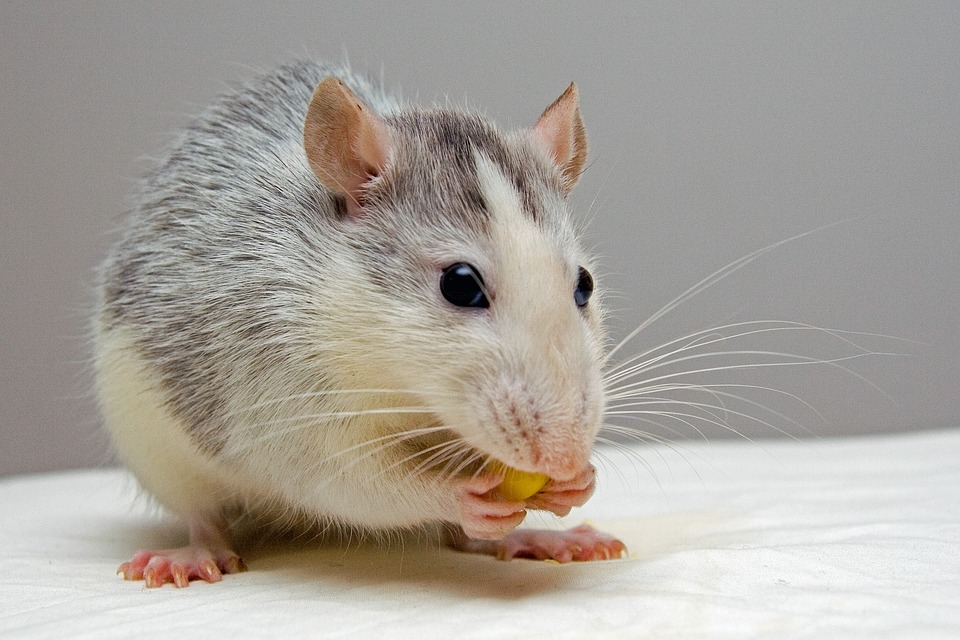
The method works by comparing the impact of conventional and organic diets fed to rats on highly sensitive markers of cell responses to toxins consumed through food, in this case a diet composed of eight varieties of conventional and organic wheat.  Two markers were studied.  One involves the degree of proliferation in lymphocytes found in the intestine and in the spleen.  The second is based on the short-term response of the liver to the presence of toxins ingested via food.

Stress, disease, and hunger are among many factors that can impair an animal’s ability to detoxify or otherwise overcome exposure to toxins.  The team decided to study how protein energy malnutrition (PEM) impacted the animals’ response to toxins in the diet, so the rats were divided into a well-nourished group (WN) and a PEM group and fed the conventional or organic wheat for 30 days. The eight varieties of conventional and organic wheat were grown under carefully controlled conditions and were mixed in equal parts in preparing the rations fed to the experimental animals.

The scientists then analyzed lymphocyte proliferation in the two groups of rats.  They did this through the use of a cell culture medium composed of either fetal calf serum (FCS) or the rat’s own serum (RS).  They stimulated rat lymphocyte cells in each culture medium with a chemical known to trigger cell division in order to mimic the proliferative response.

They found no differences in the proliferative response of lymphocytes cultured with FCS in rats fed organic versus conventional wheat, under either well-fed or PEM conditions.  The proliferative response of lymphocytes cultured with the rat’s own serum, however, was depressed in PEM rats on conventional feed compared with the animals fed organic wheat. This effect was thought to be due to contaminants other than mycotoxins in the conventionally grown wheat.

The results showed that under the conditions of this study, conventionally grown wheat poses a higher risk for impaired lymphocyte function than wheat that is organically grown, at least, in animals under stress because of inadequate food intake. The authors highlight the fact that the organic wheat did have about 3-X higher levels of mycotoxins, suggesting that the toxic impacts of synthetic chemicals and/or other toxins in the conventional wheat elicited a greater biological response than the mycotoxins in the organic wheat.

The development of this novel method to compare the impacts of different mixes and levels of toxins in food on an animal’s immune system promises to accelerate progress in rigorously measuring and comparing risk levels following exposures to different combinations of toxins in food.

Source:  “Novel Approach for Food Safety Evaluation.  Results of a Pilot Experiment To Evaluate Organic and Conventional Foods.”


Authors: Alberto Finamore, Maria Serena Britti, Marianna Roselli, Diana Bellovino, Sancia Gaetani, and Elena Mengheri.

 Journal of Agricultural and Food Chemistry, Volume 52, No. 24, December 1, 2004.

Posted in Nutrition, Organic | Tagged Human Health, Organic Foods

Related Posts

Research Links Childhood Stress to the Microbiome in Pregnancy, and Suggests Protective Role of Omega-3 Fatty Acids→

FAQs re Biden-Harris Ag and EPA Transition Priorities→

Neonic Seed Treatments in the (Science) News→

Dr. Benbrook Testifies Before the Philadelphia City Council as they Consider Glyphosate Ban→

Guest Blog: The Big Meat Gang Is Getting Awfully Smelly→

Why Promoting Organic Integrity Must Become a Top Priority for USDA→

So What About the Integrity of the U.S. Organic Grain Supply?→

Consumer Reports Takes on Reducing Pesticide Dietary Risks→

Related Content on Environmental and Other Impacts of Pesticides (Continued)

  • Are We Ready for Grassland 2.0?

    Are We Ready for Grassland 2.0?

    March 28, 2020
    A thoughtful new piece published online by Aeon calls for …
  • Back to the Future for Plant Breeders in Africa? A Fresh Look at One Scientist’s Dilemma

    Back to the Future for Plant Breeders in Africa? A Fresh Look at One Scientist’s Dilemma

    May 28, 2019
    Senior AgriPulse reporter Philip Brasher ran a provocative story in …
  • Secretary Purdue Needs a Weed-Management 101 Briefing

    Secretary Purdue Needs a Weed-Management 101 Briefing

    April 11, 2019
    In a carefully orchestrated exchange during an April 9, 2019 …
  • Flashback — The Triumph of “Merchants of Doubt”

    Flashback — The Triumph of “Merchants of Doubt”

    April 5, 2019
    In early 2011, Chemical and Engineering News ran a review …
  • Embracing Change for Good Causes — Reflections on a Provocative IDDRI Report

    Embracing Change for Good Causes — Reflections on a Provocative IDDRI Report

    February 21, 2019
    We have posted a summary of an important report from …
  • Science Points to “New” Way to Combat Climate Change

    Science Points to “New” Way to Combat Climate Change

    December 15, 2018
    It’s not just leaves that have been falling this season, …
  • The Pacific Northwest’s “Mushroom Man” Finds That Mushrooms Can Help Beleaguered Bees

    The Pacific Northwest’s “Mushroom Man” Finds That Mushrooms Can Help Beleaguered Bees

    October 5, 2018
    By: Rachel Benbrook and Dr. Charles Benbrook Are bees finally …
  • Washington Organic Apple Boom Continues – WA State Now Produces Estimated 98% of Nationwide Crop

    Washington Organic Apple Boom Continues – WA State Now Produces Estimated 98% of Nationwide Crop

    September 19, 2018
    The apple harvest season is swinging into full gear, and …
  • An Open Letter to the CEO of Cibus on Next-Gen Genetic Engineering: Heed Lessons Learned from the Early Days of Ag-Biotech

    An Open Letter to the CEO of Cibus on Next-Gen Genetic Engineering: Heed Lessons Learned from the Early Days of Ag-Biotech

    September 14, 2018
    The following “Open Letter” has been sent to the CEO …
  • Introducing Pharmaceutical Food – Researchers In Spain Develop Transgenic Rice That Produces HIV Medications

    Introducing Pharmaceutical Food – Researchers In Spain Develop Transgenic Rice That Produces HIV Medications

    September 5, 2018
    In stunning new science, a research team at the University of …


©2016 Hygeia-Analytics.com. All Rights Reserved.

Menu