
Hygeia AnalyticsLogo

Menu

Skip to content
  • Home
  • About Hygeia
    Analytics
    • Dynamic Presentations
    • Keywords and Site Map
    • Hygeia Analytics – Who We Are
    • Why Hygeia?
    • Funding and “Sound Science”
    • Acronyms and Glossary
    • Sign-Up for Updates
  • Nutrition
    • Introduction and Nutrition 101
      • Good Fat Bad Fat
      • Fatty Acids
        • Primer on the Fatty Acids in Milk
      • Impact of Livestock Feeding
    • Antioxidants
      • Organic Farming Elevates Antioxidants
      • Maximizing Antioxidant Intake
    • Organic vs. Conventional Foods
      • Milk and Dairy Products
        • 2018 Grassmilk Paper
        • PLOS ONE Study
        • Dairy Meta-Analysis
      • Multi Food Meta-Analyses
        • Meat Products
        • Plant-Based Foods
        • Smith-Spangler et al.
        • Dangour et al.
        • The Organic Center Report
      • Food Specific Comparisons
        • General
        • Fruits and Vegetables
        • Wine and Wine Grapes
    • Considering Nutritional Quality
      • Impact of Genetics and Production Systems
      • New Tool for Food Security
      • Transforming Jane Doe’s Diet
      • Nutritional Quality Index
    • Nutrient Decline
    • Other Choices and Challenges
      • Human Health
      • Dietary Choices
  • Pesticides
    • Usage
      • Pesticide Use Data Sources
        • Pesticide Use Indicators
      • PUDS – The Pesticide Use Data System
    • Dietary Risks
      • The Dietary Risk Index (DRI)
    • Risk Assessment and Regulation
      • Food Quality Protection Act (FQPA)
      • Glyphosate/Roundup Case Study
      • The Lowdown on Roundup
      • Does Glyphosate/Roundup Cause Cancer?
      • 2019 Glyphosate Genotoxicity Paper
    • Impacts of GE on Pesticide Use
    • Environmental, Human Health, and Other Impacts of Pesticides
  • Ag Biotech
    • Key Historical Documents – Donald Duvick
    • Key Historical Documents – Arpad Pusztai
    • Herbicide Resistant Crops
    • Weed Resistance
    • Bt Transgenic Crops
    • Resistant Insects
    • Health Risks and Safety Assessments
    • Regulation of GE Crop Technology
    • Marketing, Economics, and Public Relations
    • Patenting and Intellectual Property Issues
    • Labeling
  • Other Issues
    • Animal Products
    • The Future of Food
    • Global Food Security
    • Natural Resources and Climate Change
    • Alternatives to Industrial Ag
    • Policy and Politics
    • Scientific Integrity
    • Soil Health
    • Yields
  • Recent Posts
    • Hot Science
    • In The News
    • Hygeia’s Blog
  • Special
    Coverage
    • Organic Apples in Washington State
    • Dicamba Drift Crisis
    • Organic Food Consumption Lowers Cancer Risk
    • Organic Integrity

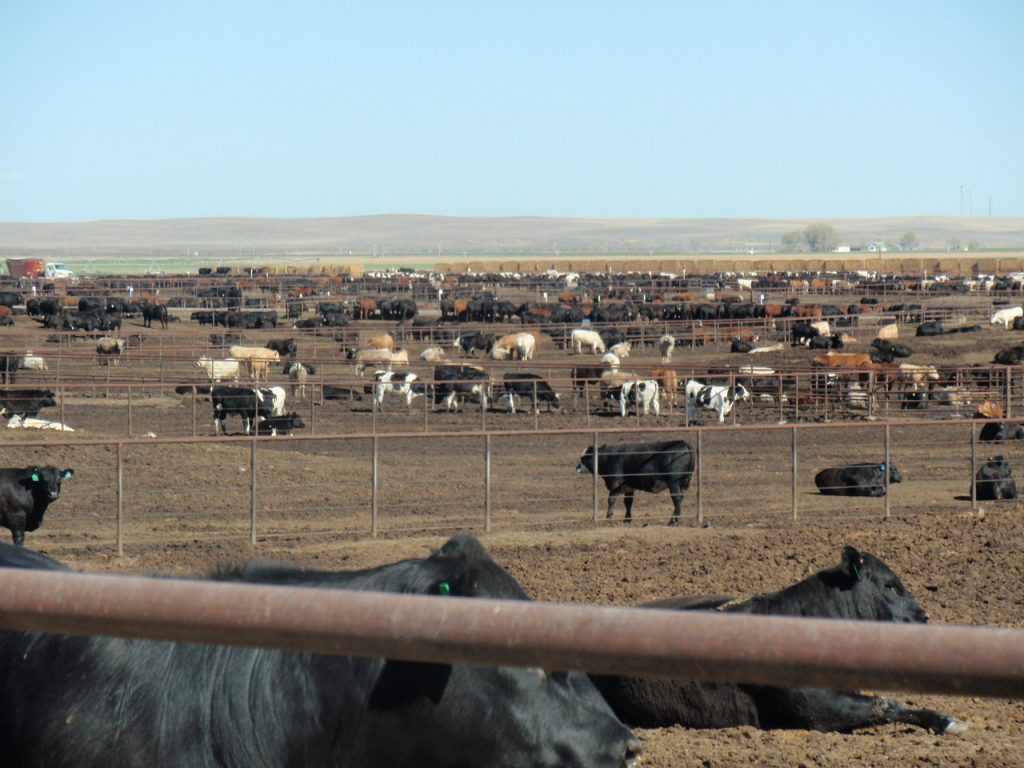
Industrial Beef and Farmed Catfish Score High on Environmental Costs Measurement in New University of Washington Study

Posted on June 19, 2018 in Animals, Environmental Impacts, Hot Science, Nutrition | 133 Views

New research by a team at the University of Washington evaluates the environmental costs of our food choices, specifically livestock, farmed seafood, and wild-caught fish.

The study, which will be published in Frontiers in Ecology and the Environment is believed to be “most comprehensive look at the environmental impacts of different types of animal protein production,” according to this Futurity story.

In a short video, the UW team explains their key finding: industrial beef production and catfish aquaculture have the largest environmental impact.  They reached this conclusion over nearly a decade of analysis and extensive literature review.  Four metrics were used to compare environmental impacts: energy use, greenhouse gas emissions, excess nutrient production (i.e. fertilizers), and contribution to acid rain.   They calculated the amount of each of these measurements produced for each 40-gram serving of protein.

While there were “striking differences across animal proteins” in terms of the environmental metrics, some “clear winners” did emerge, including farmed shellfish, and wild fisheries for small fish such as sardines, mackerel and herring.  But, specific impacts varied extensively.  For example, livestock production uses less energy than seafood aquaculture, but also produces more nutrient by-products.

This study could help consumers make more environmentally-conscious choices at the grocery store, although we at Hygeia have to point out that the research team did not take into account ecological impacts.  For example, the small schooling fish (i.e. sardines and herring) they determine are the more environmentally sound protein choice play a critical role in the ocean food web, and many marine experts warn that excessive harvest of these “forage fish” could lead to dramatic changes in ocean ecosystems.

Just one more example of how difficult it is to make the “right” choices when it comes to food!

Source:

Michele Ma-Washington, “These meat and fish choices hurt the environment most,” Futurity, June 11, 2018.

Posted in Animals, Environmental Impacts, Hot Science, Nutrition | Tagged Aquaculture, Meat

Related Posts

Research Links Childhood Stress to the Microbiome in Pregnancy, and Suggests Protective Role of Omega-3 Fatty Acids→

Guest Blog: The Big Meat Gang Is Getting Awfully Smelly→

The Down Side of Dust in the Wind→

New Video Highlights Benefits of Animals on Pasture→

Are We Ready for Grassland 2.0?→

Embracing Change for Good Causes — Reflections on a Provocative IDDRI Report→

The Iconic American Burger is Seasoned with Antibiotics, Report Concludes→

Agencies Play Tug-of-War Over Regulation of Lab-Grown Meat Products→

©2016 Hygeia-Analytics.com. All Rights Reserved.

Menu