
Hygeia AnalyticsLogo

Menu

Skip to content
  • Home
  • About Hygeia
    Analytics
    • Dynamic Presentations
    • Keywords and Site Map
    • Hygeia Analytics – Who We Are
    • Why Hygeia?
    • Funding and “Sound Science”
    • Acronyms and Glossary
    • Sign-Up for Updates
  • Nutrition
    • Introduction and Nutrition 101
      • Good Fat Bad Fat
      • Fatty Acids
        • Primer on the Fatty Acids in Milk
      • Impact of Livestock Feeding
    • Antioxidants
      • Organic Farming Elevates Antioxidants
      • Maximizing Antioxidant Intake
    • Organic vs. Conventional Foods
      • Milk and Dairy Products
        • 2018 Grassmilk Paper
        • PLOS ONE Study
        • Dairy Meta-Analysis
      • Multi Food Meta-Analyses
        • Meat Products
        • Plant-Based Foods
        • Smith-Spangler et al.
        • Dangour et al.
        • The Organic Center Report
      • Food Specific Comparisons
        • General
        • Fruits and Vegetables
        • Wine and Wine Grapes
    • Considering Nutritional Quality
      • Impact of Genetics and Production Systems
      • New Tool for Food Security
      • Transforming Jane Doe’s Diet
      • Nutritional Quality Index
    • Nutrient Decline
    • Other Choices and Challenges
      • Human Health
      • Dietary Choices
  • Pesticides
    • Usage
      • Pesticide Use Data Sources
        • Pesticide Use Indicators
      • PUDS – The Pesticide Use Data System
    • Dietary Risks
      • The Dietary Risk Index (DRI)
    • Risk Assessment and Regulation
      • Food Quality Protection Act (FQPA)
      • Glyphosate/Roundup Case Study
      • The Lowdown on Roundup
      • Does Glyphosate/Roundup Cause Cancer?
      • 2019 Glyphosate Genotoxicity Paper
    • Impacts of GE on Pesticide Use
    • Environmental, Human Health, and Other Impacts of Pesticides
  • Ag Biotech
    • Key Historical Documents – Donald Duvick
    • Key Historical Documents – Arpad Pusztai
    • Herbicide Resistant Crops
    • Weed Resistance
    • Bt Transgenic Crops
    • Resistant Insects
    • Health Risks and Safety Assessments
    • Regulation of GE Crop Technology
    • Marketing, Economics, and Public Relations
    • Patenting and Intellectual Property Issues
    • Labeling
  • Other Issues
    • Animal Products
    • The Future of Food
    • Global Food Security
    • Natural Resources and Climate Change
    • Alternatives to Industrial Ag
    • Policy and Politics
    • Scientific Integrity
    • Soil Health
    • Yields
  • Recent Posts
    • Hot Science
    • In The News
    • Hygeia’s Blog
  • Special
    Coverage
    • Organic Apples in Washington State
    • Dicamba Drift Crisis
    • Organic Food Consumption Lowers Cancer Risk
    • Organic Integrity

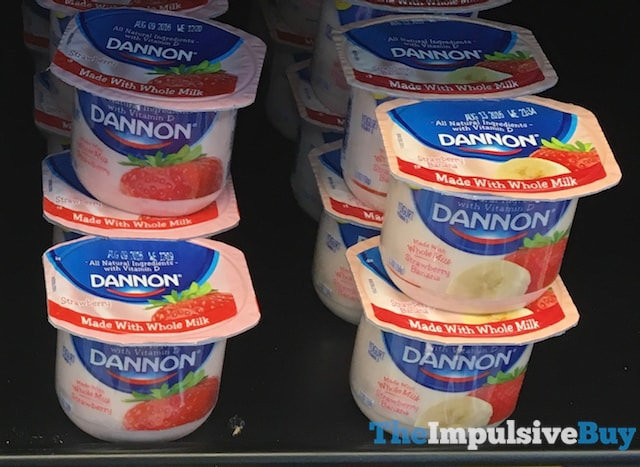
Dannon’s Pledge to Shift Yogurt Production to Non-GE Dairy Cattle Feed Triggers a Tipping Point

Posted on January 11, 2017 in GMOs, In The News | 452 Views

In an edgy January 5, 2017 piece, Sean Pratt and the Western Producer Magazine have upped the rhetorical ante circulating over the October 17, 2016 letter from five major farm groups and the U.S. Farmers and Ranchers Alliance (USFRA) to Dannon-USA CEO, Mariano Lozano.

The letter criticizes Dannon-USA for its pledge to source non-GMO ingredients and milk from cows fed non-GMO feed for three of its major yogurt brands — Dannon, Danimals, and Oikos. View the full Dannon pledge here.

Collectively, these three brands represent about 1/2 of Dannon’s yogurt production. Organic Stonyfield yogurt, also a Dannon company, is 100% non-GMO, and additionally accounts for a major portion of the company’s yogurt volume.

Dannon-USA’s response came the very same day, via a press release and statement. Dannon’s response corrects misinformation in the letter organized by the USRFA, and states the reasons for its pledge to move more of its yogurt production to non-GMO ingredients and animal feed.

The reasons include responding to consumer demand and helping farmers back off the pesticide treadmill they have been forced onto by the spread of weeds resistant to glyphosate and insects resistant to the Bt toxins in Bt-GMO corn (for more, see several items posted in the Hygeia Analytics’ Impacts of GE Crops on Pesticide Use page).

Pratt’s choice of language, and the content of his story, is surprising. It begins — “Farmers and food companies have dropped the gloves in the debate over genetically modified food.” (A curious lead, given no food companies signed the October 17th letter).

Randy Mooney, the chair of the U.S. National Milk Producers Federation, is quoted in the story acknowledging that: “This [no GMO feed for dairy cows] was a tipping point” in galvanizing an aggressive response to the Dannon pledge from the U.S. Milk Producers Federation.

The Federation’s V-P for Communications, Chris Galen, is quoted in Pratt’s story saying: “This [the Dannon pledge’s focus on non-GE dairy cow feed] is entirely different and a more far-reaching step than just a focus on biotech ingredients in the yogurt itself.”

It remains to be seen whether, and what sort of a tipping point might be in the cards during 2017, but a change in Dannon’s pledge like that advocated by the USFRA will almost certainly not be among them.

Source: AgWired, January 9, 2017.  Available online at http://agwired.com/2016/10/19/dannon-responds-to-ag-groups-concerns/

Posted in GMOs, In The News | Tagged Dairy, Economics, Policy and Politics

Related Posts

Research Links Childhood Stress to the Microbiome in Pregnancy, and Suggests Protective Role of Omega-3 Fatty Acids→

FAQs re Biden-Harris Ag and EPA Transition Priorities→

Implications of EPA’s Decision to Renew Dicamba Registration for Over-the-Top Use→

Dr. Benbrook Testifies Before the Philadelphia City Council as they Consider Glyphosate Ban→

Guest Blog: The Big Meat Gang Is Getting Awfully Smelly→

Why Promoting Organic Integrity Must Become a Top Priority for USDA→

Guest Blog: Finding the Root Cause of Organic Fraud→

So What About the Integrity of the U.S. Organic Grain Supply?→

©2016 Hygeia-Analytics.com. All Rights Reserved.

Menu