
Hygeia AnalyticsLogo

Menu

Skip to content
  • Home
  • About Hygeia
    Analytics
    • Dynamic Presentations
    • Keywords and Site Map
    • Hygeia Analytics – Who We Are
    • Why Hygeia?
    • Funding and “Sound Science”
    • Acronyms and Glossary
    • Sign-Up for Updates
  • Nutrition
    • Introduction and Nutrition 101
      • Good Fat Bad Fat
      • Fatty Acids
        • Primer on the Fatty Acids in Milk
      • Impact of Livestock Feeding
    • Antioxidants
      • Organic Farming Elevates Antioxidants
      • Maximizing Antioxidant Intake
    • Organic vs. Conventional Foods
      • Milk and Dairy Products
        • 2018 Grassmilk Paper
        • PLOS ONE Study
        • Dairy Meta-Analysis
      • Multi Food Meta-Analyses
        • Meat Products
        • Plant-Based Foods
        • Smith-Spangler et al.
        • Dangour et al.
        • The Organic Center Report
      • Food Specific Comparisons
        • General
        • Fruits and Vegetables
        • Wine and Wine Grapes
    • Considering Nutritional Quality
      • Impact of Genetics and Production Systems
      • New Tool for Food Security
      • Transforming Jane Doe’s Diet
      • Nutritional Quality Index
    • Nutrient Decline
    • Other Choices and Challenges
      • Human Health
      • Dietary Choices
  • Pesticides
    • Usage
      • Pesticide Use Data Sources
        • Pesticide Use Indicators
      • PUDS – The Pesticide Use Data System
    • Dietary Risks
      • The Dietary Risk Index (DRI)
    • Risk Assessment and Regulation
      • Food Quality Protection Act (FQPA)
      • Glyphosate/Roundup Case Study
      • The Lowdown on Roundup
      • Does Glyphosate/Roundup Cause Cancer?
      • 2019 Glyphosate Genotoxicity Paper
    • Impacts of GE on Pesticide Use
    • Environmental, Human Health, and Other Impacts of Pesticides
  • Ag Biotech
    • Key Historical Documents – Donald Duvick
    • Key Historical Documents – Arpad Pusztai
    • Herbicide Resistant Crops
    • Weed Resistance
    • Bt Transgenic Crops
    • Resistant Insects
    • Health Risks and Safety Assessments
    • Regulation of GE Crop Technology
    • Marketing, Economics, and Public Relations
    • Patenting and Intellectual Property Issues
    • Labeling
  • Other Issues
    • Animal Products
    • The Future of Food
    • Global Food Security
    • Natural Resources and Climate Change
    • Alternatives to Industrial Ag
    • Policy and Politics
    • Scientific Integrity
    • Soil Health
    • Yields
  • Recent Posts
    • Hot Science
    • In The News
    • Hygeia’s Blog
  • Special
    Coverage
    • Organic Apples in Washington State
    • Dicamba Drift Crisis
    • Organic Food Consumption Lowers Cancer Risk
    • Organic Integrity

“The Handy Bt Trait Table” Highlights the Slippage of Bt Corn Efficacy

Posted on February 20, 2017 in In The News, Pesticides | 260 Views

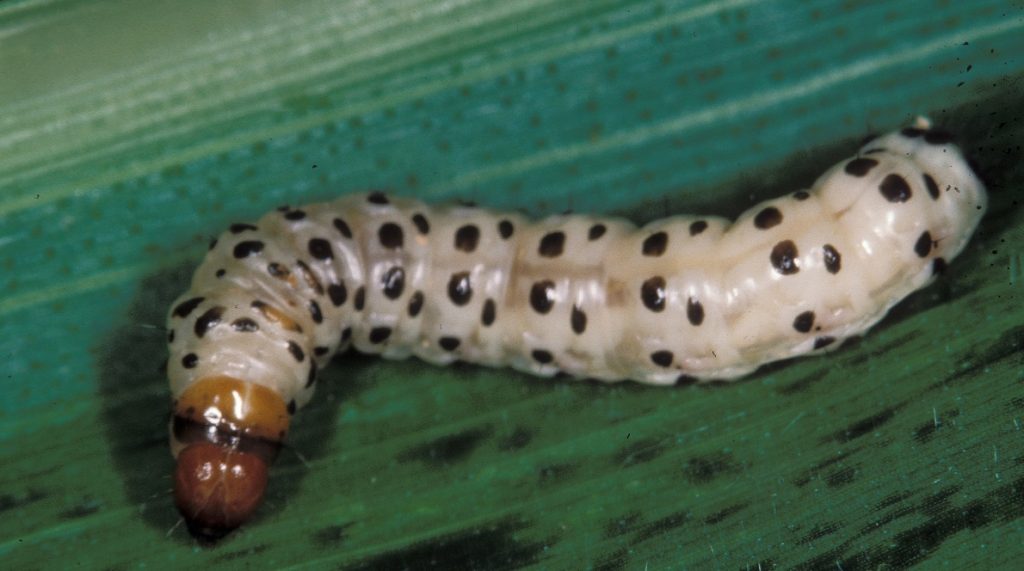
Chris DiFonzo, a Michigan State entomologist, has compiled with colleagues a farmer-friendly table of all GE corn traits and trade names. A special feature of the 2017 version of the table is getting a lot of attention – a column designating which insects, including the Southwestern corn borer larvae shown here, may be resistant to a give trait in a specific area.

A total of 29 GE-Bt corn varieties are listed in the table. All but three are listed as possibly ineffective against one or more insects the trait initially controlled. All three of these varieties contain Syngenta’s Vip3A trait, combined with Cry1Ab or Cry1Ab+Cry1F.

Each of Dow AgroSciences’s Bt corn varieties, and the six marketed by Monsanto are now compromised for one or more target insects.

Access “The Handy Bt Trait Table”, and buyer be aware.

Source: Chris DiFonzo, Pat Porter, Kelley Tilmon, “The Handy Bt Trait Table,” published online by Michigan State University Field Crops Entomology Program

Posted in In The News, Pesticides | Tagged Bt, Herbicide Resistance, Insect Resistance

Related Posts

Guest Blog: A Welcomed Dose of Straight Talk — “Making Liars of Proponents and Fools of Enablers”→

Weed Scientists Experience ‘Deja Vu’ as Signs of Dicamba Resistance→

Back to the Future for Plant Breeders in Africa? A Fresh Look at One Scientist’s Dilemma→

Secretary Purdue Needs a Weed-Management 101 Briefing→

A Trio of New Dicamba Stories — Our Take on the Ongoing Drift Crisis→

DTN and “The Progressive Farmer” Take a Closer Look at Monster Palmer Amaranth→

Guest Blog: Steve Smith on EPA’s Decision to Extend Extendimax et al.→

Palmer Amaranth Resistant to an Unprecedented Six Herbicides Identified→

©2016 Hygeia-Analytics.com. All Rights Reserved.

Menu