
Hygeia AnalyticsLogo

Menu

Skip to content
  • Home
  • About Hygeia
    Analytics
    • Dynamic Presentations
    • Keywords and Site Map
    • Hygeia Analytics – Who We Are
    • Why Hygeia?
    • Funding and “Sound Science”
    • Acronyms and Glossary
    • Sign-Up for Updates
  • Nutrition
    • Introduction and Nutrition 101
      • Good Fat Bad Fat
      • Fatty Acids
        • Primer on the Fatty Acids in Milk
      • Impact of Livestock Feeding
    • Antioxidants
      • Organic Farming Elevates Antioxidants
      • Maximizing Antioxidant Intake
    • Organic vs. Conventional Foods
      • Milk and Dairy Products
        • 2018 Grassmilk Paper
        • PLOS ONE Study
        • Dairy Meta-Analysis
      • Multi Food Meta-Analyses
        • Meat Products
        • Plant-Based Foods
        • Smith-Spangler et al.
        • Dangour et al.
        • The Organic Center Report
      • Food Specific Comparisons
        • General
        • Fruits and Vegetables
        • Wine and Wine Grapes
    • Considering Nutritional Quality
      • Impact of Genetics and Production Systems
      • New Tool for Food Security
      • Transforming Jane Doe’s Diet
      • Nutritional Quality Index
    • Nutrient Decline
    • Other Choices and Challenges
      • Human Health
      • Dietary Choices
  • Pesticides
    • Usage
      • Pesticide Use Data Sources
        • Pesticide Use Indicators
      • PUDS – The Pesticide Use Data System
    • Dietary Risks
      • The Dietary Risk Index (DRI)
    • Risk Assessment and Regulation
      • Food Quality Protection Act (FQPA)
      • Glyphosate/Roundup Case Study
      • The Lowdown on Roundup
      • Does Glyphosate/Roundup Cause Cancer?
      • 2019 Glyphosate Genotoxicity Paper
    • Impacts of GE on Pesticide Use
    • Environmental, Human Health, and Other Impacts of Pesticides
  • Ag Biotech
    • Key Historical Documents – Donald Duvick
    • Key Historical Documents – Arpad Pusztai
    • Herbicide Resistant Crops
    • Weed Resistance
    • Bt Transgenic Crops
    • Resistant Insects
    • Health Risks and Safety Assessments
    • Regulation of GE Crop Technology
    • Marketing, Economics, and Public Relations
    • Patenting and Intellectual Property Issues
    • Labeling
  • Other Issues
    • Animal Products
    • The Future of Food
    • Global Food Security
    • Natural Resources and Climate Change
    • Alternatives to Industrial Ag
    • Policy and Politics
    • Scientific Integrity
    • Soil Health
    • Yields
  • Recent Posts
    • Hot Science
    • In The News
    • Hygeia’s Blog
  • Special
    Coverage
    • Organic Apples in Washington State
    • Dicamba Drift Crisis
    • Organic Food Consumption Lowers Cancer Risk
    • Organic Integrity

New GE Canola Coming High in Long-Chain Omega 3s

Posted on December 16, 2016 in GMOs, In The News, Nutrition | 149 Views

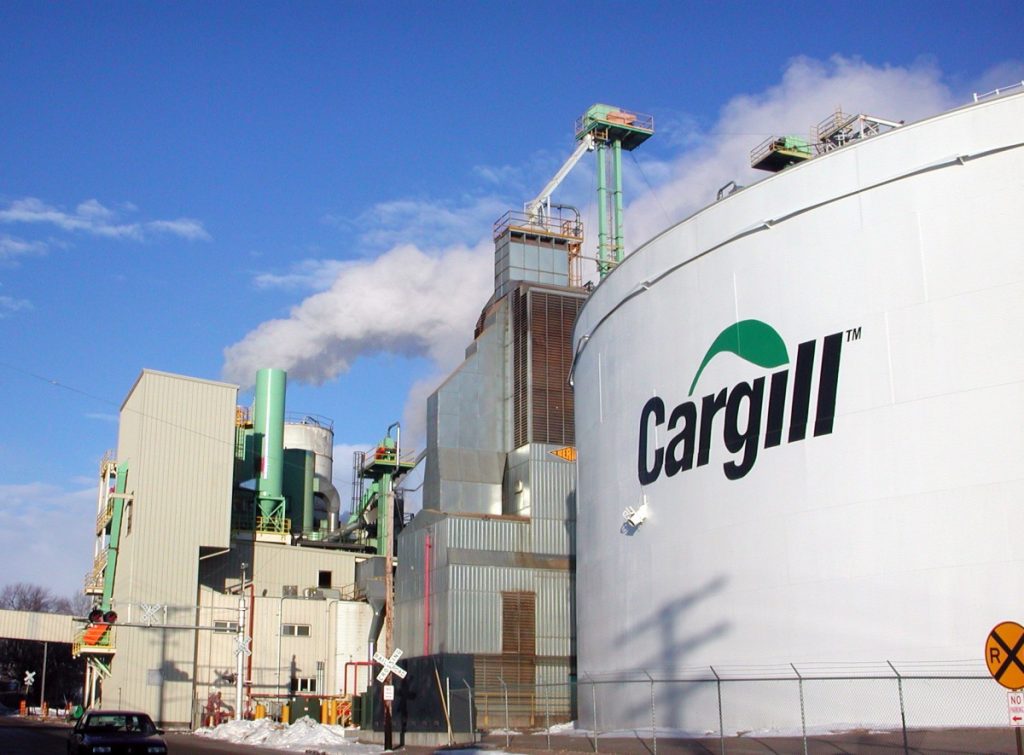
Undercurrent News, a fish-industry journal, recently reported that Cargill, in partnership with the German chemical company BASF, is developing GE canola that expresses much higher levels of two long-chain omega 3 fatty acids –EPA and DPA (but not DHA). Omega-3s are found naturally only in fish, some fungi, and microalgae.  This new biotech would transcribe the Omega-3 genes from algae into canola plants, and is already looking at fields in Montana for the first crops. The hope is that the modified canola can be available within 5 years as a substitute for fish oils for the global aquaculture industry, a change that would remove significant pressure on fish stocks in the ocean.

But like all major dietary changes, for fish or people, switching farm-raised fish from their natural, fish-based diet to a plant-based one will cause other problems. Perhaps these will be manageable. In the interim, Cargill has much work to do to assess other, unanticipated changes in GE canola, as well as in fish fed the new oils. In addition, canola is an out-crossing crop, so there will be challenges in keeping the GE canola genes where they belong.

This is a GE technology with huge market potential, and one that raises a host of novel concerns. Consumer and market acceptance will depend on how responsibly and openly the company addresses the potential health and environmental issues, and in this task Cargill should not expect much help from the federal government. Complying with all government regulations in the world of ag biotech no longer assures a smooth path to the market place.

Source:

Matt Craze, “Cargill sees mass-produced omega-3 canola oil by 2020,” November 29, 2016, Undercurrent News

Posted in GMOs, In The News, Nutrition | Tagged Aquaculture, Fat, Human Health

Related Posts

Research Links Childhood Stress to the Microbiome in Pregnancy, and Suggests Protective Role of Omega-3 Fatty Acids→

FAQs re Biden-Harris Ag and EPA Transition Priorities→

Neonic Seed Treatments in the (Science) News→

Dr. Benbrook Testifies Before the Philadelphia City Council as they Consider Glyphosate Ban→

Guest Blog: The Big Meat Gang Is Getting Awfully Smelly→

Consumer Reports Takes on Reducing Pesticide Dietary Risks→

Roundup is Safe Enough to Drink, Right?→

Guest Blog: Bandaids, Immunological Chaos, and Living With COVID-19 in the Neighborhood→

©2016 Hygeia-Analytics.com. All Rights Reserved.

Menu