
Hygeia AnalyticsLogo

Menu

Skip to content
  • Home
  • About Hygeia
    Analytics
    • Dynamic Presentations
    • Keywords and Site Map
    • Hygeia Analytics – Who We Are
    • Why Hygeia?
    • Funding and “Sound Science”
    • Acronyms and Glossary
    • Sign-Up for Updates
  • Nutrition
    • Introduction and Nutrition 101
      • Good Fat Bad Fat
      • Fatty Acids
        • Primer on the Fatty Acids in Milk
      • Impact of Livestock Feeding
    • Antioxidants
      • Organic Farming Elevates Antioxidants
      • Maximizing Antioxidant Intake
    • Organic vs. Conventional Foods
      • Milk and Dairy Products
        • 2018 Grassmilk Paper
        • PLOS ONE Study
        • Dairy Meta-Analysis
      • Multi Food Meta-Analyses
        • Meat Products
        • Plant-Based Foods
        • Smith-Spangler et al.
        • Dangour et al.
        • The Organic Center Report
      • Food Specific Comparisons
        • General
        • Fruits and Vegetables
        • Wine and Wine Grapes
    • Considering Nutritional Quality
      • Impact of Genetics and Production Systems
      • New Tool for Food Security
      • Transforming Jane Doe’s Diet
      • Nutritional Quality Index
    • Nutrient Decline
    • Other Choices and Challenges
      • Human Health
      • Dietary Choices
  • Pesticides
    • Usage
      • Pesticide Use Data Sources
        • Pesticide Use Indicators
      • PUDS – The Pesticide Use Data System
    • Dietary Risks
      • The Dietary Risk Index (DRI)
    • Risk Assessment and Regulation
      • Food Quality Protection Act (FQPA)
      • Glyphosate/Roundup Case Study
      • The Lowdown on Roundup
      • Does Glyphosate/Roundup Cause Cancer?
      • 2019 Glyphosate Genotoxicity Paper
    • Impacts of GE on Pesticide Use
    • Environmental, Human Health, and Other Impacts of Pesticides
  • Ag Biotech
    • Key Historical Documents – Donald Duvick
    • Key Historical Documents – Arpad Pusztai
    • Herbicide Resistant Crops
    • Weed Resistance
    • Bt Transgenic Crops
    • Resistant Insects
    • Health Risks and Safety Assessments
    • Regulation of GE Crop Technology
    • Marketing, Economics, and Public Relations
    • Patenting and Intellectual Property Issues
    • Labeling
  • Other Issues
    • Animal Products
    • The Future of Food
    • Global Food Security
    • Natural Resources and Climate Change
    • Alternatives to Industrial Ag
    • Policy and Politics
    • Scientific Integrity
    • Soil Health
    • Yields
  • Recent Posts
    • Hot Science
    • In The News
    • Hygeia’s Blog
  • Special
    Coverage
    • Organic Apples in Washington State
    • Dicamba Drift Crisis
    • Organic Food Consumption Lowers Cancer Risk
    • Organic Integrity

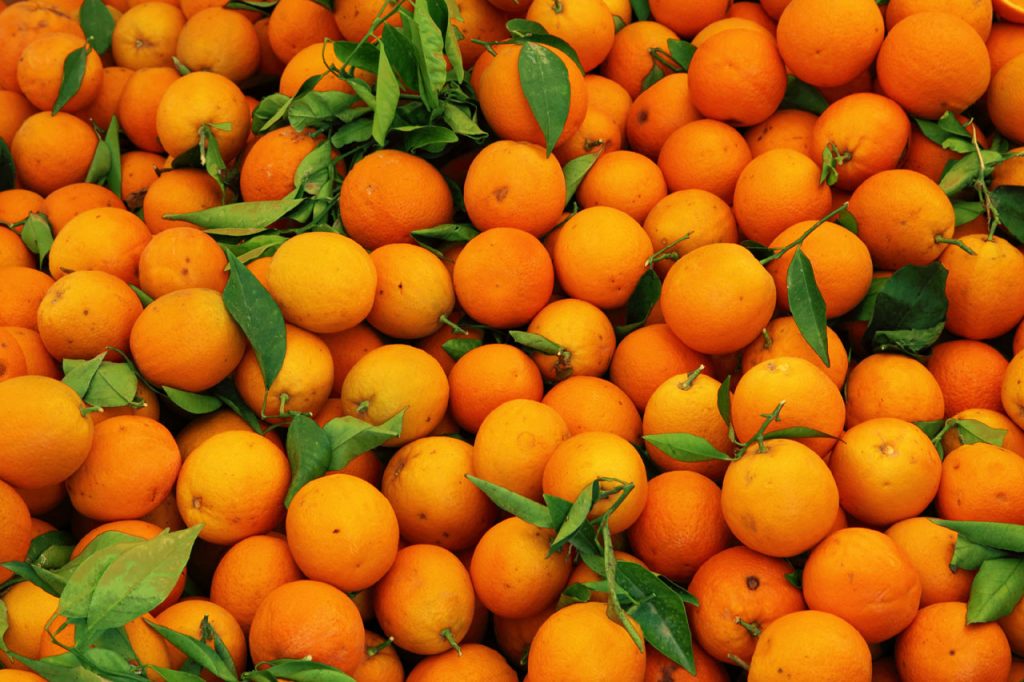
Higher Levels of Vitamin C and Lower Concentrations of Nitrogen Found in Organic Oranges

Posted on December 14, 2016 in Nutrition, Organic | 177 Views

Many scientific teams in Europe are trying to develop reliable and affordable tests to differentiate between organic and conventional foods.  For many crops, pesticide residue levels are considered the best way to make such a determination, but in the case of citrus, this approach is unreliable.  In the Mediterranean region where most of Europe’s citrus is grown, pest pressure is low and very few if any pesticides are applied.  Accordingly, the presence or absence of residues is an unreliable indicator of whether organic citrus as grown in compliance with European standards.

An Italian team explored whether nitrogen levels and forms in conventional and organic oranges could be used to distinguish between organic and conventionally grown fruit.  Detailed fruit quality data was collected on two cultivars of oranges grown under conventional and organic methods.  Two key food quality parameters were consistently different.

The organic oranges from both varieties contained 12 percent higher levels of Vitamin C.  Fruit harvested from one variety grown conventionally contained 30 percent more nitrogen, while the second variety contained 12 percent more nitrogen.   The higher presence of Vitamin C in the organic oranges is beneficial for a variety of reasons, while lower average nitrogen levels can help reduce the formation of cancer-causing nitrosamines in the gut and lessens the risk of methemoglobinemia (Blue baby disease).

Sources:  “Nitrogen Metabolism Components as a Tool to Discriminate between Organic and Conventional Citrus Fruits.”

Authors: Paolo Rapisarda, Maria Luisa Calabretta, Gabriella Romano, and Francesco Intrigliolo.

Journal of Agricultural and Food Chemistry, Volume 53, Number 7, April 6, 2005.


Posted in Nutrition, Organic | Tagged Nutrient Content, Organic Foods

Related Posts

Why Promoting Organic Integrity Must Become a Top Priority for USDA→

So What About the Integrity of the U.S. Organic Grain Supply?→

New Video Highlights Benefits of Animals on Pasture→

Consumers Appear to Get the Message that Organic Milk is Higher in Healthy Fats→

Organic Farming May Reduce Food Safety Risk From E. coli, New Study Shows→

UK Soil Association and Dr. Benbrook Launch Monthly “Letter from America” Blog Series→

California Legislator Proposes Nation’s First Statewide Program to get Organic Foods in Schools→

New Science: Organic Diet Reduces Diabetes Risk→

©2016 Hygeia-Analytics.com. All Rights Reserved.

Menu