
Hygeia AnalyticsLogo

Menu

Skip to content
  • Home
  • About Hygeia
    Analytics
    • Dynamic Presentations
    • Keywords and Site Map
    • Hygeia Analytics – Who We Are
    • Why Hygeia?
    • Funding and “Sound Science”
    • Acronyms and Glossary
    • Sign-Up for Updates
  • Nutrition
    • Introduction and Nutrition 101
      • Good Fat Bad Fat
      • Fatty Acids
        • Primer on the Fatty Acids in Milk
      • Impact of Livestock Feeding
    • Antioxidants
      • Organic Farming Elevates Antioxidants
      • Maximizing Antioxidant Intake
    • Organic vs. Conventional Foods
      • Milk and Dairy Products
        • 2018 Grassmilk Paper
        • PLOS ONE Study
        • Dairy Meta-Analysis
      • Multi Food Meta-Analyses
        • Meat Products
        • Plant-Based Foods
        • Smith-Spangler et al.
        • Dangour et al.
        • The Organic Center Report
      • Food Specific Comparisons
        • General
        • Fruits and Vegetables
        • Wine and Wine Grapes
    • Considering Nutritional Quality
      • Impact of Genetics and Production Systems
      • New Tool for Food Security
      • Transforming Jane Doe’s Diet
      • Nutritional Quality Index
    • Nutrient Decline
    • Other Choices and Challenges
      • Human Health
      • Dietary Choices
  • Pesticides
    • Usage
      • Pesticide Use Data Sources
        • Pesticide Use Indicators
      • PUDS – The Pesticide Use Data System
    • Dietary Risks
      • The Dietary Risk Index (DRI)
    • Risk Assessment and Regulation
      • Food Quality Protection Act (FQPA)
      • Glyphosate/Roundup Case Study
      • The Lowdown on Roundup
      • Does Glyphosate/Roundup Cause Cancer?
      • 2019 Glyphosate Genotoxicity Paper
    • Impacts of GE on Pesticide Use
    • Environmental, Human Health, and Other Impacts of Pesticides
  • Ag Biotech
    • Key Historical Documents – Donald Duvick
    • Key Historical Documents – Arpad Pusztai
    • Herbicide Resistant Crops
    • Weed Resistance
    • Bt Transgenic Crops
    • Resistant Insects
    • Health Risks and Safety Assessments
    • Regulation of GE Crop Technology
    • Marketing, Economics, and Public Relations
    • Patenting and Intellectual Property Issues
    • Labeling
  • Other Issues
    • Animal Products
    • The Future of Food
    • Global Food Security
    • Natural Resources and Climate Change
    • Alternatives to Industrial Ag
    • Policy and Politics
    • Scientific Integrity
    • Soil Health
    • Yields
  • Recent Posts
    • Hot Science
    • In The News
    • Hygeia’s Blog
  • Special
    Coverage
    • Organic Apples in Washington State
    • Dicamba Drift Crisis
    • Organic Food Consumption Lowers Cancer Risk
    • Organic Integrity

Announcing California Right to Know Genetically Engineered Food Labeling Ballot Initiative

Posted on December 22, 2015 in GMOs | 122 Views

Historic posts are reprinted verbatim from their original source.

California Right to Know, December 1999

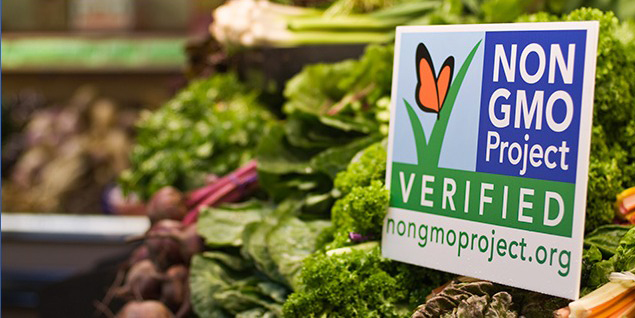
We wrote this initiative because we believe people have a fundamental right to know whether the foods they purchase and consume have been genetically engineered. Written in deliberately simple language, the initiative will require the labeling of genetically engineered foods and meats at the retail level. It defines those foods requiring labeling as: “Crops and livestock containing genetic material transferred from one species to another or other DNA modifications not commonly possible under natural conditions, such as cell fusion, gene deletion or doubling, and induced sequence or encapsulation variations.” It states that historical breeding techniques such as hybridization through mass selection are not considered to be genetic engineering by the proposed law.

This is a unique, all-volunteer effort no donations taken, no PACs. The initiative petition is spreading out by means of each individual making copies and passing these along to others. This is one of very few opportunities to participate in direct democracy concerning an issue of immense importance.

If this initiative qualifies for the ballot in California, it will bring widespread publicity, and help to push this issue to the forefront of public debate throughout the U.S., which is our intention in putting it forward. To qualify for the November 2000 election, we need over 413,000 valid signatures from registered California voters by February 20th. We have an urgent need for coordinators in each California county, and for signature gatherers in all counties; don’t wait — call the number below and find out how you can help. Our website has a copy of the initiative for downloading, plus important instructions for signature gatherers. The deadline is February 20th for us to receive all initiative petitions.

Please contact us immediately at:
(707) 939-8316
website: www.calrighttoknow.org
E-mail: info@calrighttoknow.org

Posted in GMOs | Tagged Historic, Labeling, Policy and Politics

Related Posts

FAQs re Biden-Harris Ag and EPA Transition Priorities→

Implications of EPA’s Decision to Renew Dicamba Registration for Over-the-Top Use→

Dr. Benbrook Testifies Before the Philadelphia City Council as they Consider Glyphosate Ban→

Guest Blog: The Big Meat Gang Is Getting Awfully Smelly→

Why Promoting Organic Integrity Must Become a Top Priority for USDA→

Guest Blog: Finding the Root Cause of Organic Fraud→

So What About the Integrity of the U.S. Organic Grain Supply?→

Guest Blog: Organic Food & Pesticide Residues, One Grower’s Perspective→

Related Content on Environmental and Other Impacts of Pesticides (Continued)

  • Are We Ready for Grassland 2.0?

    Are We Ready for Grassland 2.0?

    March 28, 2020
    A thoughtful new piece published online by Aeon calls for …
  • Back to the Future for Plant Breeders in Africa? A Fresh Look at One Scientist’s Dilemma

    Back to the Future for Plant Breeders in Africa? A Fresh Look at One Scientist’s Dilemma

    May 28, 2019
    Senior AgriPulse reporter Philip Brasher ran a provocative story in …
  • Secretary Purdue Needs a Weed-Management 101 Briefing

    Secretary Purdue Needs a Weed-Management 101 Briefing

    April 11, 2019
    In a carefully orchestrated exchange during an April 9, 2019 …
  • Flashback — The Triumph of “Merchants of Doubt”

    Flashback — The Triumph of “Merchants of Doubt”

    April 5, 2019
    In early 2011, Chemical and Engineering News ran a review …
  • Embracing Change for Good Causes — Reflections on a Provocative IDDRI Report

    Embracing Change for Good Causes — Reflections on a Provocative IDDRI Report

    February 21, 2019
    We have posted a summary of an important report from …
  • Science Points to “New” Way to Combat Climate Change

    Science Points to “New” Way to Combat Climate Change

    December 15, 2018
    It’s not just leaves that have been falling this season, …
  • The Pacific Northwest’s “Mushroom Man” Finds That Mushrooms Can Help Beleaguered Bees

    The Pacific Northwest’s “Mushroom Man” Finds That Mushrooms Can Help Beleaguered Bees

    October 5, 2018
    By: Rachel Benbrook and Dr. Charles Benbrook Are bees finally …
  • Washington Organic Apple Boom Continues – WA State Now Produces Estimated 98% of Nationwide Crop

    Washington Organic Apple Boom Continues – WA State Now Produces Estimated 98% of Nationwide Crop

    September 19, 2018
    The apple harvest season is swinging into full gear, and …
  • An Open Letter to the CEO of Cibus on Next-Gen Genetic Engineering: Heed Lessons Learned from the Early Days of Ag-Biotech

    An Open Letter to the CEO of Cibus on Next-Gen Genetic Engineering: Heed Lessons Learned from the Early Days of Ag-Biotech

    September 14, 2018
    The following “Open Letter” has been sent to the CEO …
  • Introducing Pharmaceutical Food – Researchers In Spain Develop Transgenic Rice That Produces HIV Medications

    Introducing Pharmaceutical Food – Researchers In Spain Develop Transgenic Rice That Produces HIV Medications

    September 5, 2018
    In stunning new science, a research team at the University of …


©2016 Hygeia-Analytics.com. All Rights Reserved.

Menu