
Hygeia AnalyticsLogo

Menu

Skip to content
  • Home
  • About Hygeia
    Analytics
    • Dynamic Presentations
    • Keywords and Site Map
    • Hygeia Analytics – Who We Are
    • Why Hygeia?
    • Funding and “Sound Science”
    • Acronyms and Glossary
    • Sign-Up for Updates
  • Nutrition
    • Introduction and Nutrition 101
      • Good Fat Bad Fat
      • Fatty Acids
        • Primer on the Fatty Acids in Milk
      • Impact of Livestock Feeding
    • Antioxidants
      • Organic Farming Elevates Antioxidants
      • Maximizing Antioxidant Intake
    • Organic vs. Conventional Foods
      • Milk and Dairy Products
        • 2018 Grassmilk Paper
        • PLOS ONE Study
        • Dairy Meta-Analysis
      • Multi Food Meta-Analyses
        • Meat Products
        • Plant-Based Foods
        • Smith-Spangler et al.
        • Dangour et al.
        • The Organic Center Report
      • Food Specific Comparisons
        • General
        • Fruits and Vegetables
        • Wine and Wine Grapes
    • Considering Nutritional Quality
      • Impact of Genetics and Production Systems
      • New Tool for Food Security
      • Transforming Jane Doe’s Diet
      • Nutritional Quality Index
    • Nutrient Decline
    • Other Choices and Challenges
      • Human Health
      • Dietary Choices
  • Pesticides
    • Usage
      • Pesticide Use Data Sources
        • Pesticide Use Indicators
      • PUDS – The Pesticide Use Data System
    • Dietary Risks
      • The Dietary Risk Index (DRI)
    • Risk Assessment and Regulation
      • Food Quality Protection Act (FQPA)
      • Glyphosate/Roundup Case Study
      • The Lowdown on Roundup
      • Does Glyphosate/Roundup Cause Cancer?
      • 2019 Glyphosate Genotoxicity Paper
    • Impacts of GE on Pesticide Use
    • Environmental, Human Health, and Other Impacts of Pesticides
  • Ag Biotech
    • Key Historical Documents – Donald Duvick
    • Key Historical Documents – Arpad Pusztai
    • Herbicide Resistant Crops
    • Weed Resistance
    • Bt Transgenic Crops
    • Resistant Insects
    • Health Risks and Safety Assessments
    • Regulation of GE Crop Technology
    • Marketing, Economics, and Public Relations
    • Patenting and Intellectual Property Issues
    • Labeling
  • Other Issues
    • Animal Products
    • The Future of Food
    • Global Food Security
    • Natural Resources and Climate Change
    • Alternatives to Industrial Ag
    • Policy and Politics
    • Scientific Integrity
    • Soil Health
    • Yields
  • Recent Posts
    • Hot Science
    • In The News
    • Hygeia’s Blog
  • Special
    Coverage
    • Organic Apples in Washington State
    • Dicamba Drift Crisis
    • Organic Food Consumption Lowers Cancer Risk
    • Organic Integrity

New Video Highlights Benefits of Animals on Pasture

Posted on April 11, 2020 in Animals, Environmental Impacts, In The News, Nutrition, Organic | 116 Views

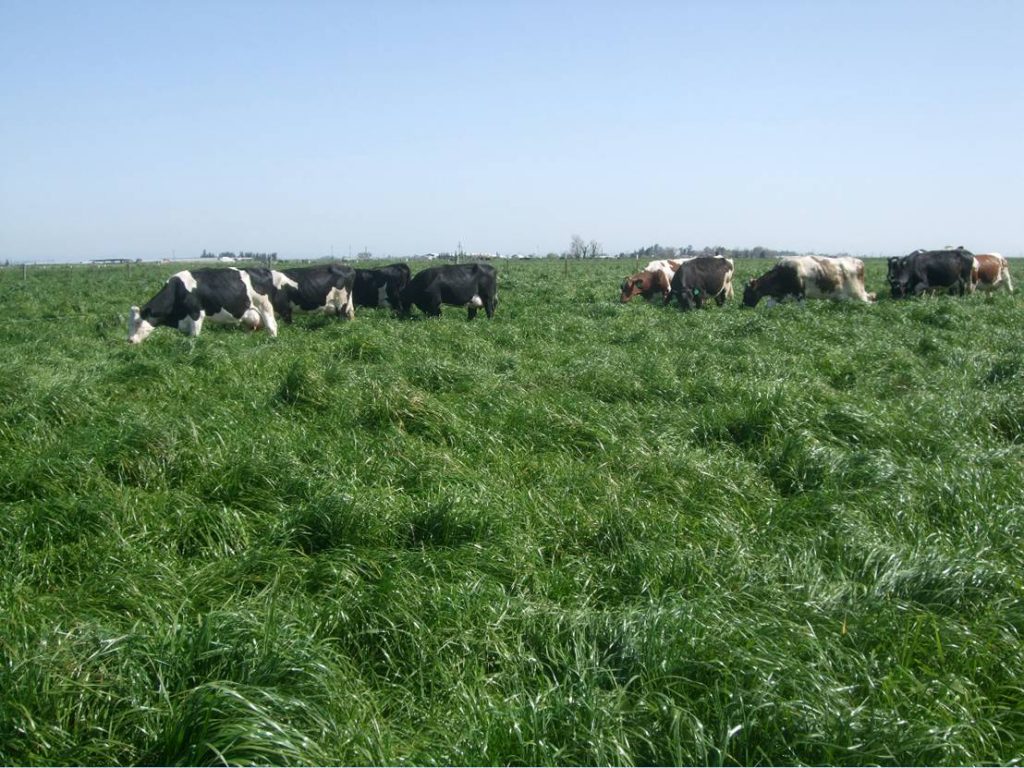
A new video features lush pastures, grubby farmers, and happy cows showing off the benefits of pasture-based animal agriculture.  Produced by the Real Organic Project, a “a farmer-led movement created to distinguish soil-grown and pasture-raised products under USDA organic,” the video Raising Animals on Pasture highlights the animal welfare, nutritional, and environmental advantages of animals on pasture.

As our recent piece on the Grassland 2.0 campaign discusses, well-managed grasslands demonstrate how place-based agriculture can enhance the health of the soil by pairing pasture vegetation species to localized soil conditions, promoting a diverse soil microbiome to support nutritious pastures with deep, healthy root structures.  Plus, these organic pastures promote biodiversity of pollinators, birds, and other wildlife and help capture and sequester carbon.

Raising Animals on Pastures includes interviews with several Real Organic Project farmers raising dairy cows and layer chickens. The farmers obviously believe access to pasture and the outdoors makes for a higher-quality product and a premium price. While no one has figured out how to ask cows how they are feeling, we can attest to the nutritional quality at least.  Our research on the nutritional quality of organic grassmilk has shown a dramatic increase in health omega fatty acids compared to conventional milk.

This is just the latest piece that points to some real, solid alternatives to the status quo in agriculture.  We promise to keep bringing you these stories of hope, especially in these challenging times.


Posted in Animals, Environmental Impacts, In The News, Nutrition, Organic | Tagged Dairy, Meat, Organic Farming, Organic Foods

Related Posts

Research Links Childhood Stress to the Microbiome in Pregnancy, and Suggests Protective Role of Omega-3 Fatty Acids→

Guest Blog: The Big Meat Gang Is Getting Awfully Smelly→

Why Promoting Organic Integrity Must Become a Top Priority for USDA→

Guest Blog: Finding the Root Cause of Organic Fraud→

So What About the Integrity of the U.S. Organic Grain Supply?→

Guest Blog: Organic Food & Pesticide Residues, One Grower’s Perspective→

The Down Side of Dust in the Wind→

Are We Ready for Grassland 2.0?→

©2016 Hygeia-Analytics.com. All Rights Reserved.

Menu